



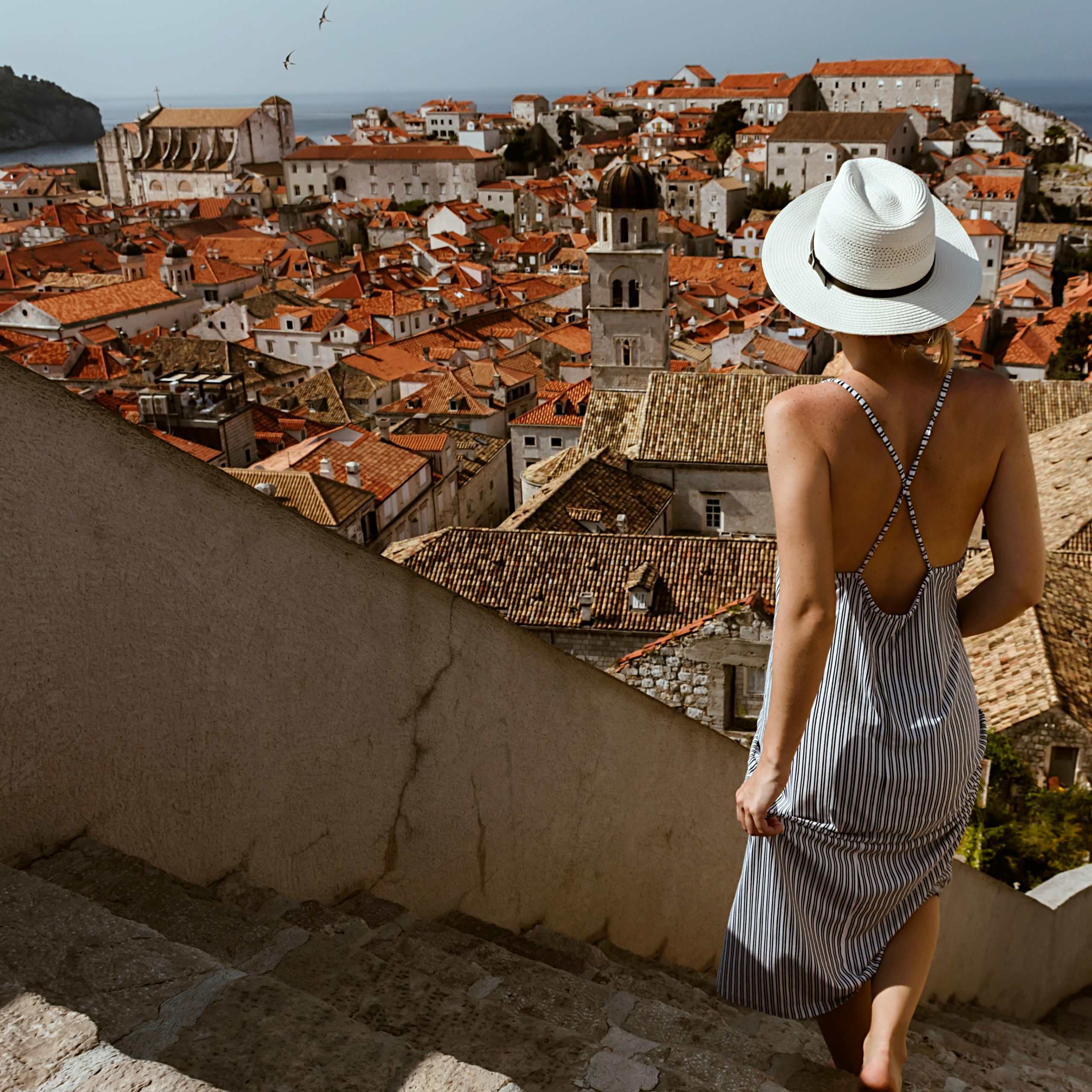

Steeped in history with supermodel looks, Dubrovnik’s story is an extraordinary tale of wealth and opulence, wars and occupation and a phoenix-like rebirth in the last two decades. The 800-year-old walls rise above the Mediterranean, encircling one of Europe’s most enchanting Old Towns; restored and reinvigorated after the conflict in the 1990’s. But Dubrovnik is more than just a city; it’s a gateway to the glittering Croatian coastline, an immersion in a centuries-old culture, a beach-break, a gourmet getaway and everything in between.
When to Visit Dubrovnik
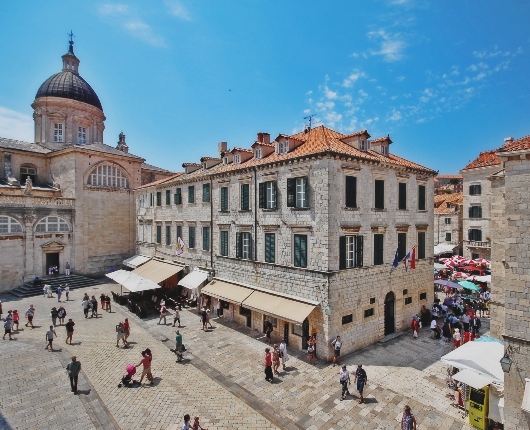
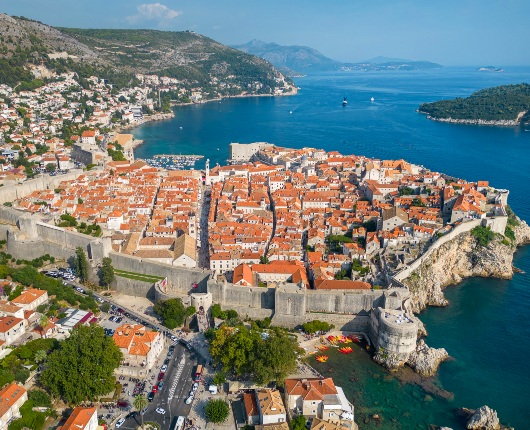
Dubrovnik gets extraordinarily busy in July and August, when up to four cruise ships a day dock in Gruz port, disgorging up to 40,000 tourists into the city. Instead, visit in the shoulder seasons; April, when it can be warm, brings the sense of a city just waking up after a winter slumber, while May and June have lovely sunny weather, long evenings and less crowds. My favourite time is mid-September through October, when the sea is still warm, the terracotta rooftops flame in the low sun and the whole town slows to a delightfully mellow pace.
What to Do in Dubrovnik
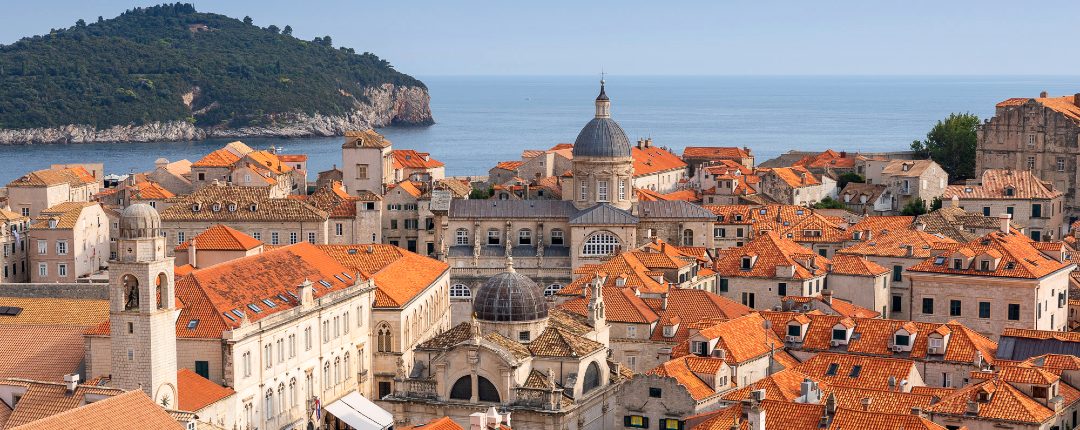
Most visitors to Dubrovnik head straight to the city’s 800-year-old walls, but I’d recommend starting at ground level, with a stroll along the gleaming marble slabs of the Stradun, the city’s wide, pedestrian main street, linking the Pile and Ploce gates. Go early in the morning, when the sun is just starting to creep down the stone staircases that lead up into the back streets, or just before dusk, when starlings flit between the silhouetted church towers and rooftops. This is the way to introduce yourself to the city; wander into the lattice of streets and steps, get a little lost, stop for a Karlovacko beer and wander again.
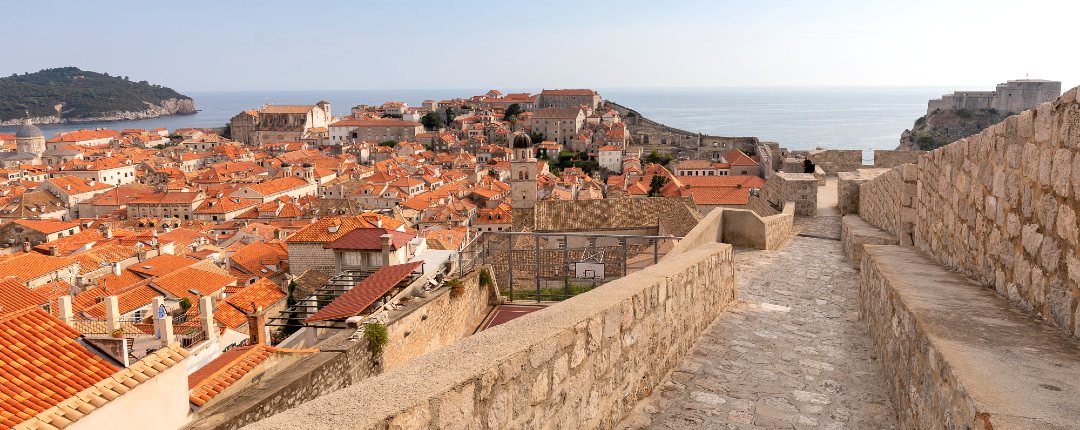
But the walls, of course, are not to be missed. Some sections date back to the 13th century, others are up to six metres thick – built to protect the city from the invaders and occupiers, the Ottomans and the Venetians and all those who came to claim it as their own. At busy times it can feel like a sun-baked, slow-moving queue; be there when the gates open (8am for most of the year) or time your visit to 90 minute before they close (walking the whole loop takes at least an hour) to avoid the worst of the crowds.
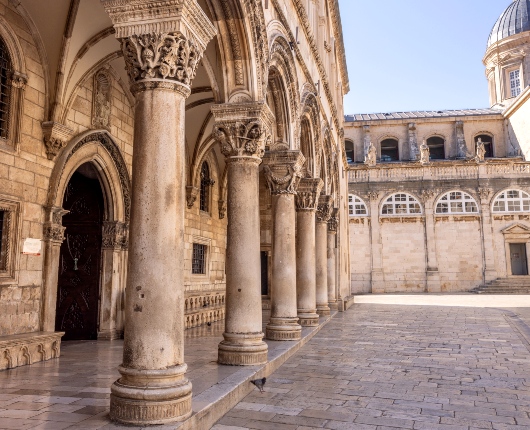
These days, it’s hard to remember that the city was under siege for seven months during the Civil war of 1990/1; that almost 70% of the buildings in the Old Town sustained shell damage. Years of restoration have seen the city reborn, from the imposing Baroque façade of the 15th century cathedral (today’s version of the cathedral is from 1713, after the earthquake) to the grandiose Rector’s Palace, along with the elegant town houses and mansions, fringed with wrought iron balconies that are a legacy of its rich history as one of the Mediterranean’s wealthiest trading ports.
This, I think, is what makes Dubrovnik so unique; it’s embattled, defiant history, written into the centuries-old walls. See the sights, take the Game of Thrones’ tour, visit the islands – but leave plenty of time just to sit in a pavement café and soak up the city’s soul.
Top Attractions
The most popular triumvirate is the cathedral, Rector’s Palace and the Sponza Palace, which together give a comprehensive insight into the city’s tumultuous past. The Rector’s Palace is the one not to miss; the seat of the Republic of Ragusa for over 400 years, it also houses the Cultural Historical Museum, which encompasses everything from historical artefacts to a photo gallery of the city during and after the siege of 1990/91. Less visited is St Ignatius’ Church, which blazes with vivid frescoes and provides a quiet, contemplative spot away from the crowds.
Whilst walking the walls offers spectacular vistas across the city’s rooftops, the cable car ride up to Mount Srd gives an unparalleled bird’s eye view. For those of a heartier disposition, the ninety-minute hiking route to the summit offers the chance to take in the scenery at a more relaxed pace, albeit one that comes with serious thigh burn and aching feet. Happily, the Panorama Bar and Restaurant, located right by the upper cable car station, offers a spot to rest weary legs, with a cocktail list that is pretty much guaranteed to ease whatever pain you might be feeling.
Outdoor Activities
If exploring on foot isn’t enough, there are plenty of ways to get a different perspective on the city, both from on land and by sea. Kayaking tours offer a whole different perspective, with guided tours ranging from a gentle paddle around the city walls to a longer tour out to the island of Lokrum, with buggy-safaris, horse-riding and cycling tours on offer in the surrounding area. For thrill-seeks, the Panorama Zipline at Mount Srd offers high-speed views and a white-knuckle ride above the city rooftops.
Dubrovnik’s Beaches
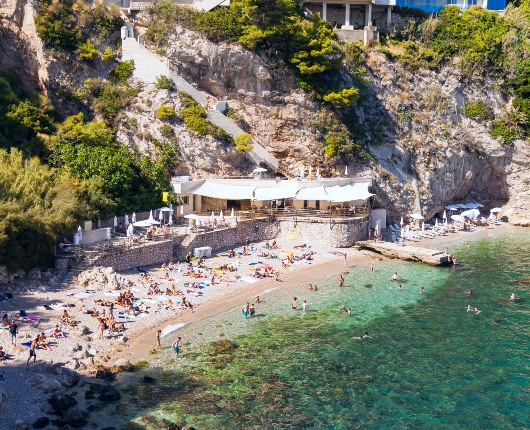
In truth, the best option for a lazy beach day is to hop the ferry to one of the nearby islands, where the beaches are undisturbed by the hustle of the city. But for a restorative hour on a lounger and a cooling dip, there are options close by. Best known is Banje, just a five minute walk from the Ploce Gate – which also means it’s usually quite crowded. Instead, I either take the no 6 bus from the Pile Gate to Lapad, or walk to Sveti Jakov – a half-moon of white pebble and shingle that rarely gets crowded. Come at sunset for Insta-worthy views above Dubrovnik’s historic fortress, or for a fresh seafood lunch at the restaurant above the beach.
Day Trips From Dubrovnik
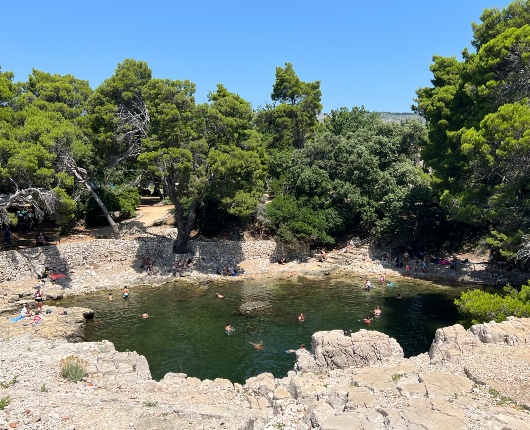
Dubrovnik makes an ideal base for exploring the dramatic Dalmatian coastline, with several islands easily reachable by water taxi. Top choice is Lokrum, just fifteen minutes away: according to legend, Richard the Lionheart was shipwrecked on the island Lokrum during the Crusades, while more recent mythology saw it reimagined as the island of Qarth in Game of Thrones. It’s a beguiling place, with peacocks roaming free, an eerily atmospheric Benedictine monastery and lush Botanical Garden. It can be tempting to leave a soak in the salt-rich waters of the island’s Dead Sea Lagoon until the end of the day, but my advice is to go straight from the morning ferry to beat the crowds.
For a day of island-hopping, there are regular boats trips to the Elaphiti archipelago of Kolocep, Sipan and Lopud. Sunj beach on Lopud is the big draw but it’s a forty-minute walk across the island; better to settle in at the Obala restaurant for a long lazy lunch, or pick up some pastries from the Lafodia Bakery and take a gentle stroll through the pine-clad headland.
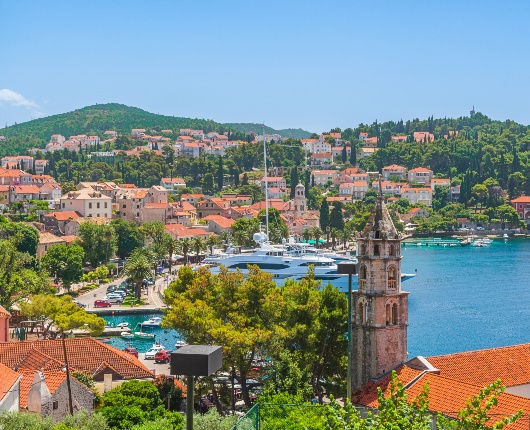
My favourite day out is to Cavtat, forty minutes by boat across the bay, with a charming palm-lined promenade, two white-pebble beaches, and a cluster of waterfront restaurants that are perfect for a long, lazy lunch.
Read More
Where to Stay
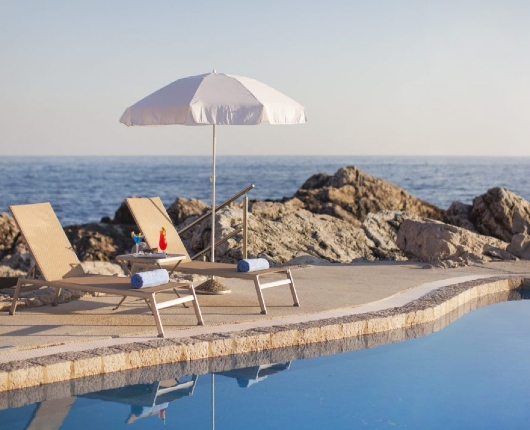
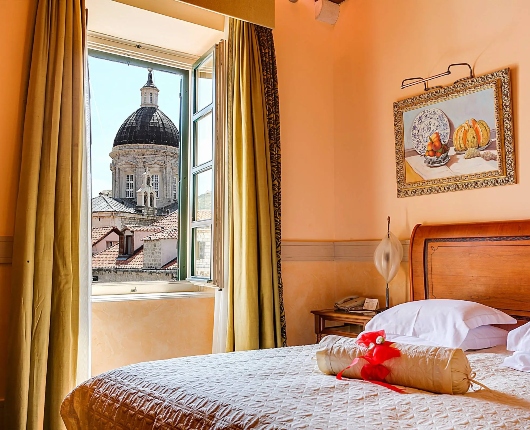
Although most visitors simply think of Dubrovnik as the Old Town, a number of different neighbourhoods unfold from the historic walls, each offering a different way to experience the city.
The best beaches – along with the chance to dip in and out of the busy centre – are on the Lapad peninsula – a fifteen-minute taxi or bus ride from the Old Town. Luxury hotels are dotted between the pine trees, along with simpler B&Bs and some excellent restaurants that are more reasonably-priced than their Old Town equivalents. Fans of minimalism will love the sleek, white-walled Hotel Kompas, while the Dubrovnik Palace has a secluded location on the peninsula’s westernmost tip, with three restaurants and one of the city’s best spas.
Adjacent to Lapad lies Gruz, ideal for those wanting to explore, with easy access to both the port and the bus station. Mostly a local’s neighbourhood, hotels are simpler and less expensive; the Hotel Adria – with wonderful views across to the Elaphiti islands – is the pick of the bunch.
For many visitors the Old Town is the only choice, and it certainly brings benefits – not least being able to slip out in the early morning and explore before the crowds arrive. St Joseph’s is something of an oasis among the melee, a beautifully-restored 16th century stone house with six romantic suites, and an additional three in a nearby house. For classic style, there’s nowhere to beat the Pucic Palace – a gorgeous, 17th century palazzo on Gundulic Square, with a charming, hidden restaurant terrace.
Spreading east from the Old Town, Ploce is home to some of the city’s most glamorous hotels, including the Grand Villa Argentina that once housed the journalists who flooded into the city in 1990 to cover the siege, though is currently under renovations. The Argentina is luxurious and comfortable but, for me, its neighbour – the languidly elegant Villa Orsula – is the one to beat, with gorgeous views of the old town from its tranquil, flower-decked terraces.
Food & Drink
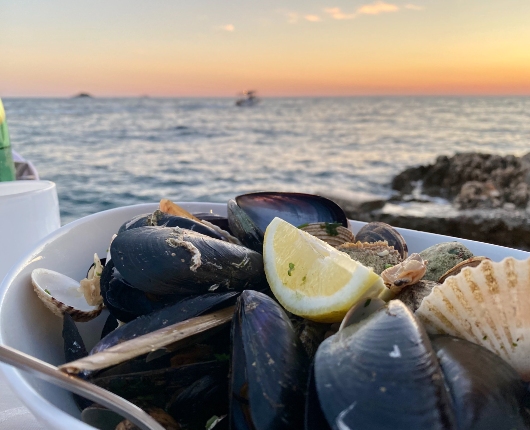
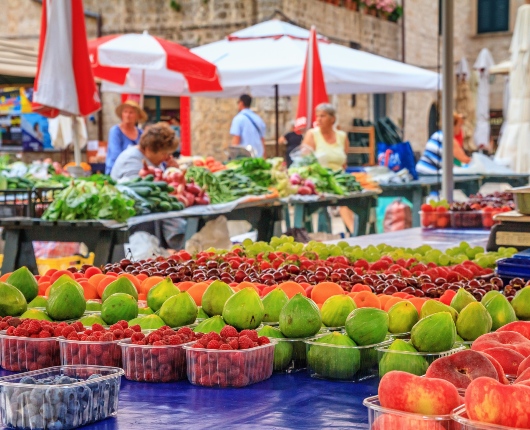
A melange of Dalmatian tradition, Italian heritage and fish-rich seas, Dubrovnik’s culinary scene encompasses everything from street food to Michelin-starred dining, with some classic dishes that have to be tried.
The dish I most remember from my visits as a teenager is still a crowd-pleaser today; crzni rizoto, a black risotto make using squid ink with a lovely, sticky consistency and a dense, fishy flavour. Buzara is another classic; a seafood stew, rich with tomatoes, usually made with clams, shrimps or mussels. Platters of prsut (the Dalmatian equivalent of prosciutto) and local cheeses make a great lunch, while the desert of choice has to be rozata – similar to a crème caramel, but flavoured with rosalin – a liqueur made of rose petals, sugar and a grape-like brandy.
Vinophiles will find much to love on the city’s wine-lists; the nearby Peljesac peninsula – a vertiginous region of steep mountain slopes and lush valleys – has come to be known as one of Croatia’s most prestigious wine-growing areas. The main red grape, plavac mali, produces a full-bodied red wine as well as a crisp rose. Two of the villages have their own appellations, Postup and Dingac, while Prosek is the country’s signature dessert wine.
Bars & Restaurants
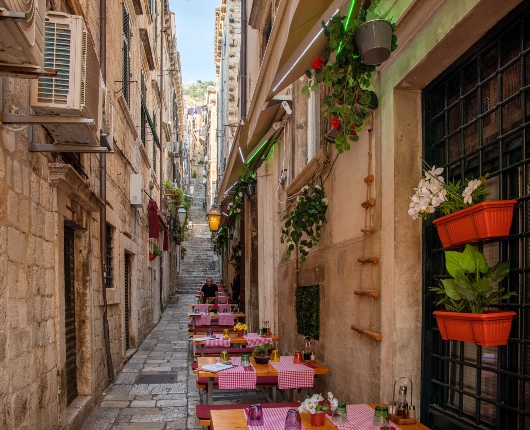
Dubrovnik’s culinary scene has come a long way in the last ten years, with Michelin-style dining on offer alongside pop-up street food carts and traditional konobas – the Croatian equivalent of trattorias. For top-end dining, the two big-hitters are 360 and Nautika – both of which require reservations in advance. Nautika edges it for a romantic dinner, housed in the 19th century School of Marine Studies, with an outdoor terrace above the western entrance to the Old Town. 360 has the Michelin star, thanks to Marijo Curic’s clever French-Mediterranean dishes, with five-course tasting menus and tables almost built into the historic stone ramparts.
At lunchtime, stroll along Prijeko Street – a narrow alley running parallel with the Stradun, flanked with Gothic and Baroque houses that are home to a variety of restaurants and cafes. Pop into Stara Loza for coffee and a croissant to start the day, or book a table on the terrace for lunch.
For lunch on the hoof, join the queues at Holy Burek to try the city’s most popular street food. Tubes of crispy filo pastry wrapped around cheese and spinach, veal or chicken, burek is best served piping hot, so do as the locals do and ask for whichever has just come out of the oven.
A visit to a konoba shouldn’t be missed – expect hearty food and heartier portions. Konoba Dubrava, on the slopes of Mount Srd, is the place to go for peka; a traditional platter of lamb, veal or octopus cooked slowly over hot coals beneath a bell-shaped lid (call in the morning to order in advance).
In a city famous for its ice-cream, I tend to skip dessert and head to a slasticarna for a cone of something to stroll home with. Peppino’s and Gianni’s are the two biggest names (with queues to match), but I can’t resist Dolce Vita for a scoop of their velvety dark chocolate, possibly with a dollop of bitter orange crammed in alongside.
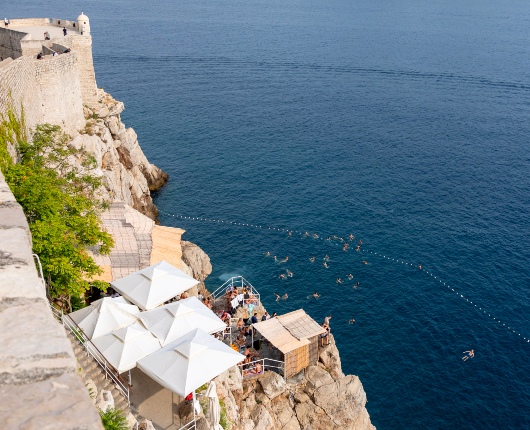
When cocktail hour comes around, there are few places to beat the Panorama Bar on the top of Mount Srd, but no visit to Dubrovnik is complete without a visit to the Buza Bar; a hole in the wall that leads to terraces cut into the edge of a cliff with glorious views towards Lokrum.
Top Dubrovnik Travel Tips
- Everyone heads to the Buza Bar at sunset – but you can’t actually see the sunset from the terrace. Go earlier in the day to enjoy the views in a little more peace.
- While most people visit the Pelesjac Peninsula for a wine-tasting trip, the Konavle region, south of Cavtat, has excellent wineries and far fewer visitors.
- For a quiet afternoon, pick up some burek and head to Gradac Park, where the shady walking paths are flanked with Aleppo pines and cypress trees.
- While in Cavtat, take a walk around the wooded peninsula and stop for a sundown at the rustic Beach Bar Little Star.
More Inspiration
The Expert Guide to Hvar
Travel Journalist
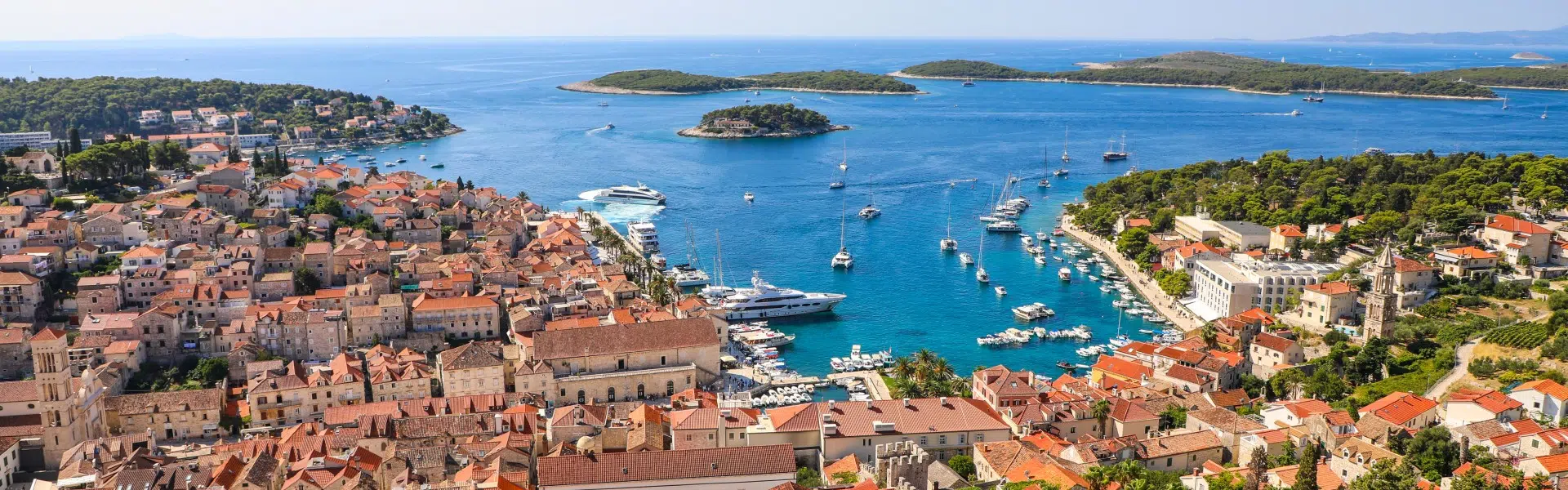
In Croatia’s glittering archipelago of 1,244 islands, Hvar stands head and shoulders above the rest; an idyllic mix of perfectly-preserved...
Read More
A Foodie Experience in Croatia

Croatia Specialist
Europe is often praised for its exquisite food and wine scene. Spain and Portugal boast delicious wineries and global wine...
Read More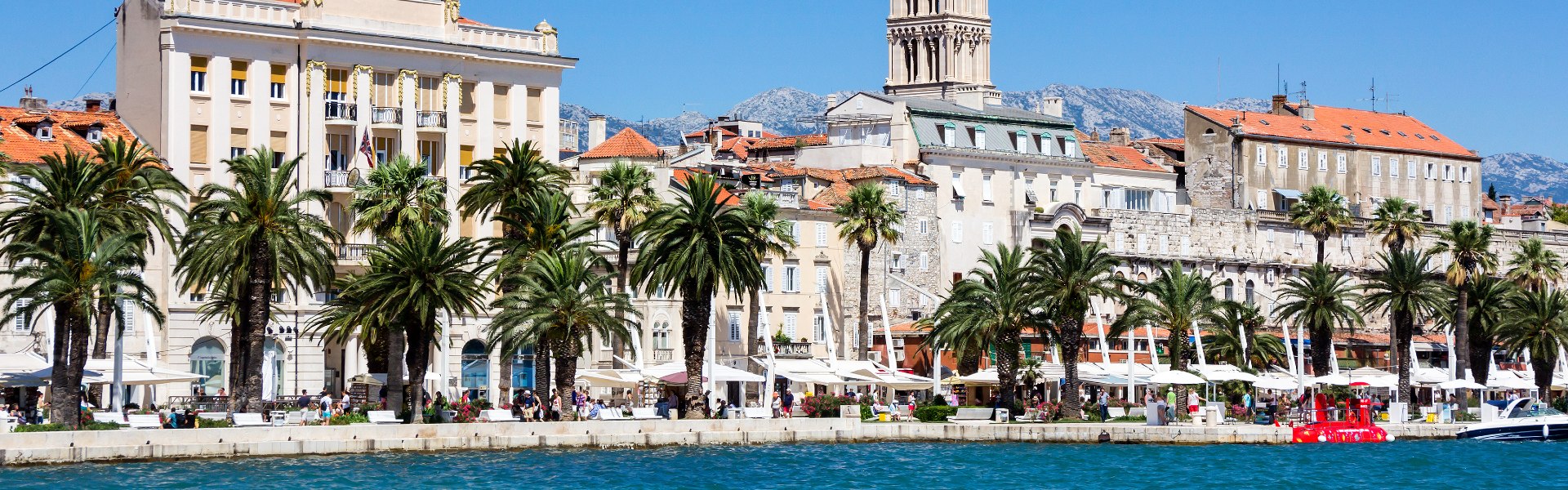
The Expert Guide to Split

Travel Journalist
Sun-soaked Split is Croatia’s second-largest city, a lively, boisterous place that somehow manages to combines the bustle of a major...
Read More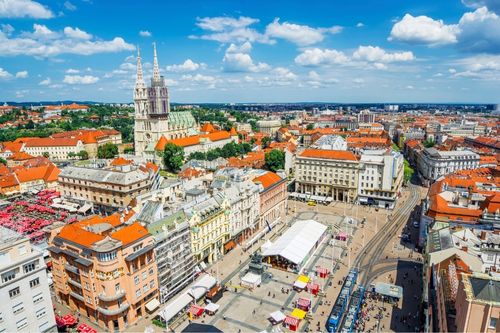
The Expert Guide to Zagreb
Travel Journalist
Croatia’s capital is curiously under the radar for many visitors, especially those caught up in the headlong rush to the...
Read More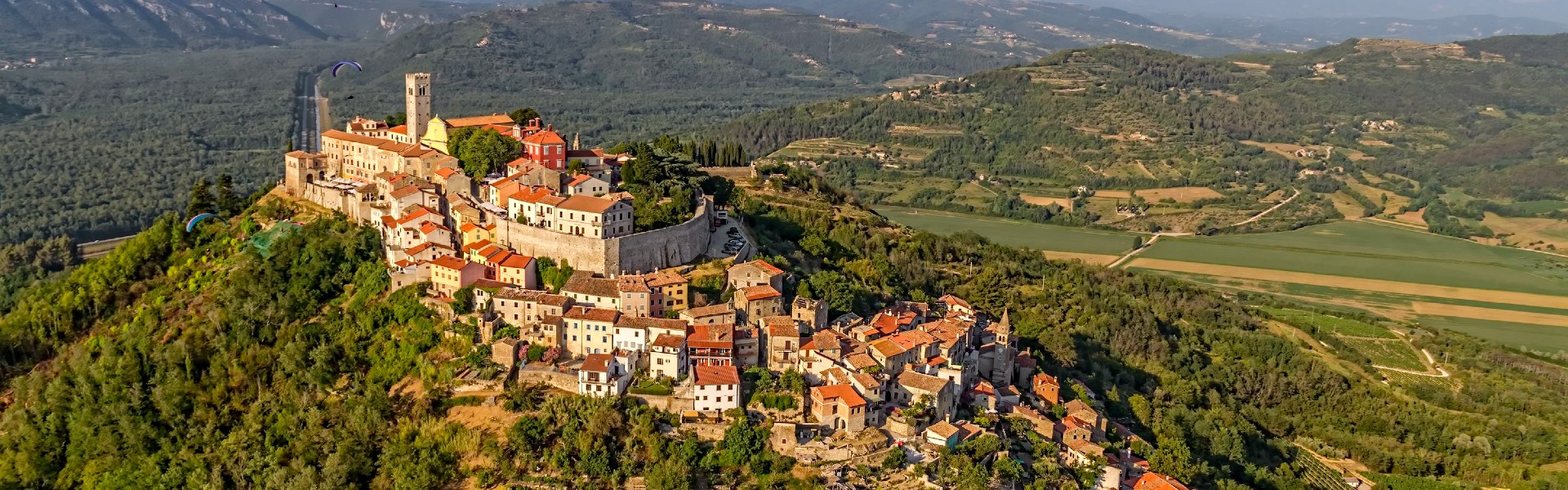
Istria: A Guide for First-Time Visitors

Croatia Specialist
Many visitors to Istria remark that it just feels...different from the rest of Croatia. Set in the north of Croatia,...
Read More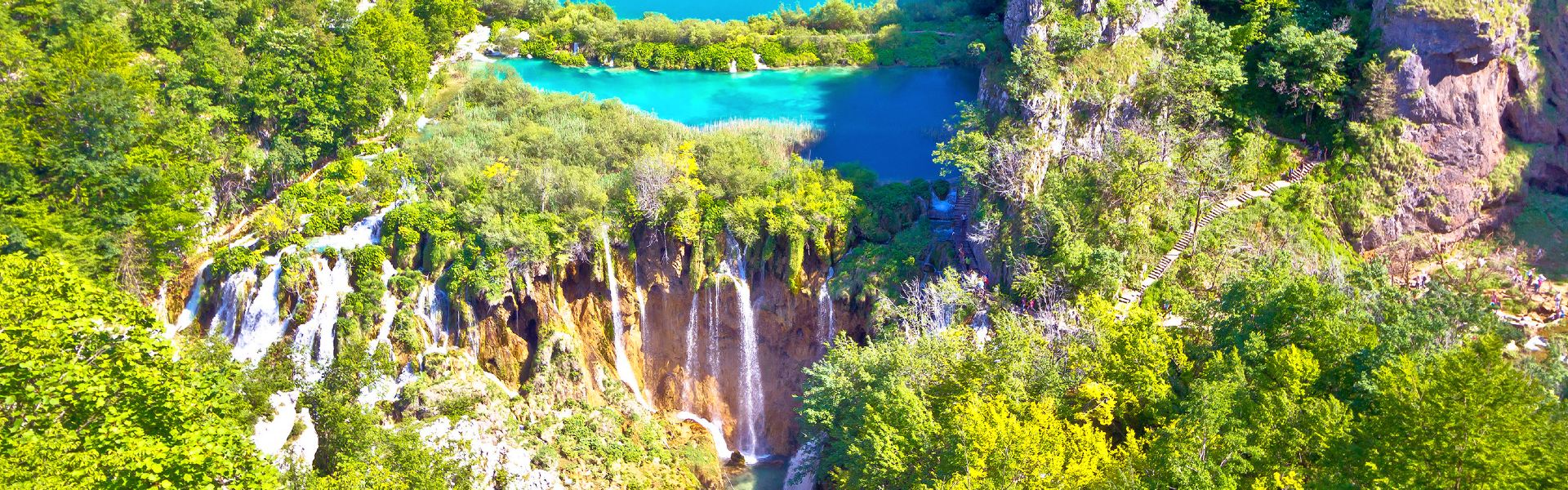
Croatia’s Best National Parks
Croatia Specialist
While many people visit Croatia to explore its ancient cities and soak up the sun on beautiful beaches, it has...
Read More