




Pula sits at the southern tip of the Istrian Peninsula, a city with many beautiful beaches, some that are pebbly while others boast soft golden sands, all framed by brilliant cobalt water. While many come to enjoy the sun and the sand, Pula may best be known for its rich history, settled in the prehistoric era. There are many landmarks revealing its long and storied past, with the region ruled by the Romans, Ostrogoths, and Venetians. It’s the ancient Roman ruins that make it so popular among history enthusiasts with everything from a 1st century AD Roman amphitheater to the 1st century BC Roman Forum and Hercules Gate, built during the same period as the oldest still standing Roman monument.
Pula’s Roman Heritage
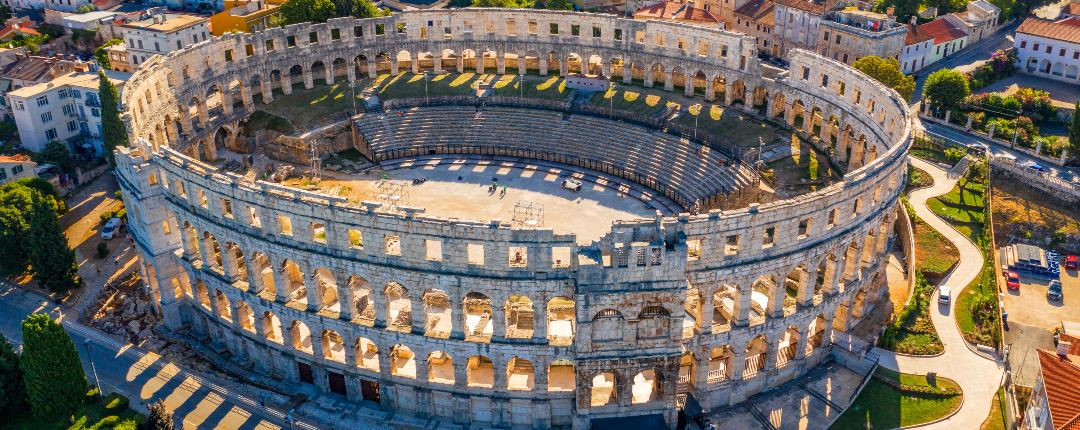
The city’s well-preserved Roman heritage is reason alone to visit Pula, with the crown jewel Pula Arena. Built between 27 BC and 68 AD, it’s one of just six of the world’s largest surviving Roman amphitheaters and Croatia’s best-preserved ancient monument. Not only has it managed to retain its complete circuit of walls, it’s still used for events today. Other important sites include the Temple of Augustus with its magnificent Corinthian columns, and the Arch of the Sergii, a triumphal arch built in honor of the Sergii family, exemplifying Roman victory and architectural skills. Combined with the Forum, offering insight into daily life in Roman Pula, the sites provide a vibrant testament to the city’s historical significance during the Roman Empire.
Key Roman Sites
Pula Arena: The Iconic Roman Amphitheater
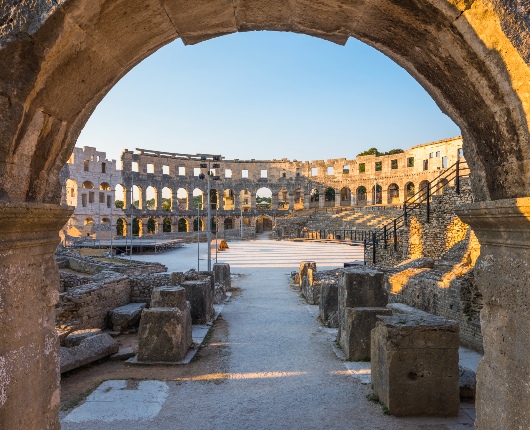
Pula Arena is one of the world’s most iconic and most well-preserved Roman amphitheaters. Constructed in the 1st century AD during the reign of Emperor Vespasian, this impressive structure once accommodated 20,000 spectators as one of the most popular places for Roman entertainment. Elliptically shaped, with four tiers of arches and robust stone walls that demonstrate advanced Roman engineering, it was originally used for gladiatorial combat and a variety of public spectacles. Centuries later, it’s still hosting events, including film and equestrian festivals, operas, a dramatic Roman gladiator-inspired show called Spectacular Antiqua, and concerts, as a seamless blend of modern life and ancient history. The underground passageways once used by gladiators now host an exhibition on viticulture and olive oil production.
The Temple of Augustus
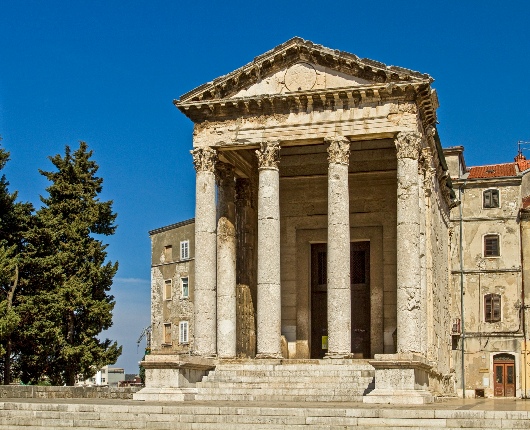
A remarkable testament to religious devotion and Roman architecture in Pula, the Temple of Augustus was built over 16 years, between 2 BC and 14 AD, dedicated to Augustus, the first Roman emperor. It features elegant Corinthian columns and a distinct facade, revealing the important role he played in Roman history while showcasing the mastery of Roman engineering. Originally part of a larger forum, many civic gatherings were held here and it also served as a place of worship. Despite the passage of time and upheavals in Pula’s past, the temple remains one of its most iconic landmarks. Today, it houses a small museum, allowing history enthusiasts and visitors of all types to appreciate its historical context and architectural beauty.
Roman Floor Mosaic: The Punishment of Dirce
The Roman floor mosaic known as “The Punishment of Dirce” was accidentally discovered due to a WWII bombing after being buried over six feet in the ground. Carefully preserved ever since, it’s a remarkable archaeological find that visitors can admire in a local villa. Dating back to the 2nd or 3rd century AD, the exquisite mosaic features a vivid depiction of the mythological punishment of Dirce, a figure from Greek mythology who was tied to a bull as retribution for her cruelty. The intricate designs and vibrant colors illustrate the skills of Roman artisans while serving as a testament to the cultural exchanges that took place between the Romans and Greeks. It also provides valuable insight into how much ancient Romans valued aesthetics.
The Roman Forum
The Roman Forum was once the bustling heart of public life during the Roman Empire. All vital city functions took place here, including religious ceremonies, court proceedings, and business deals. Established in the 1st century BC, it’s bordered by several significant structures, including the Temple of Augustus standing majestically at one end, while the remains of a basilica and other public buildings hint at its former grandeur. The forum’s layout reflects the typical Roman town planning, designed to enhance community life and civic involvement. Today, it’s an important archaeological site providing insight into life during Roman times in ancient Pula. Forum remains continue to be found when new buildings are constructed, such as the more recent 1st century AD Agrippina and her time.
Exploring Beyond Roman Sites: Connecting with Pula’s Historical Legacy
Pula’s Archaeological Museum
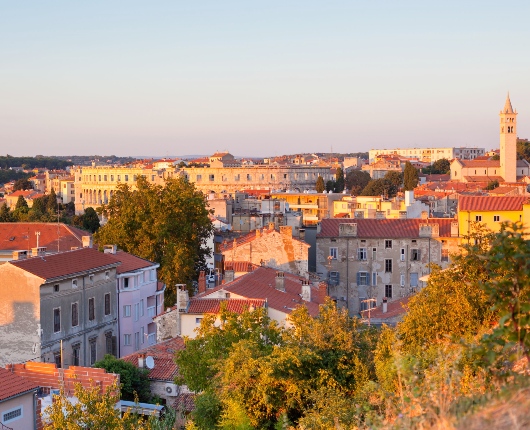
Pula’s Archaeological Museum is one of the most important cultural institutions in the region, revealing the region’s rich history and heritage through a diverse array of exhibits. Housed in a former convent, it opened its doors in the 19th century and includes an extensive collection of artifacts from the prehistoric era through the Roman period and beyond. Visitors can marvel at sculptures, pottery, and tools highlighting the everyday life, art, and beliefs of ancient civilizations that inhabited the area. The collection of Roman-era artifacts is a highlight that reflects Pula’s importance as a strategic port in the Roman Empire. In addition to showcasing Pula’s history through fascinating finds, there are activities and educational programs hosted to provide an even deeper understanding.
Fortresses & Venetian-era Sites
Pula is home to several historical fortresses and Venetian-era sites that reflect its rich and diverse heritage. Among the most notable is Pula Fortress which falls into both categories. It was built by the Venetians in the 17th century to protect the city from invaders arriving from the sea. It now provides visitors with stunning panoramic views of the surrounding area and the Adriatic, as well as a fascinating glimpse of its past. Another significant structure is the Venetian Loggia, a beautiful public square adorned with a charming Renaissance-style loggia that served as a social and political hub during Venetian rule. Additionally, remnants of city walls and bastions showcase even more of Pula’s long history and its strategic importance throughout various periods.
More Inspiration

Croatia Wildlife Guide

Croatia Specialist
Croatia, known for its stunning Adriatic coastline and historical treasures, is also home to a remarkable variety of wildlife that...
Read More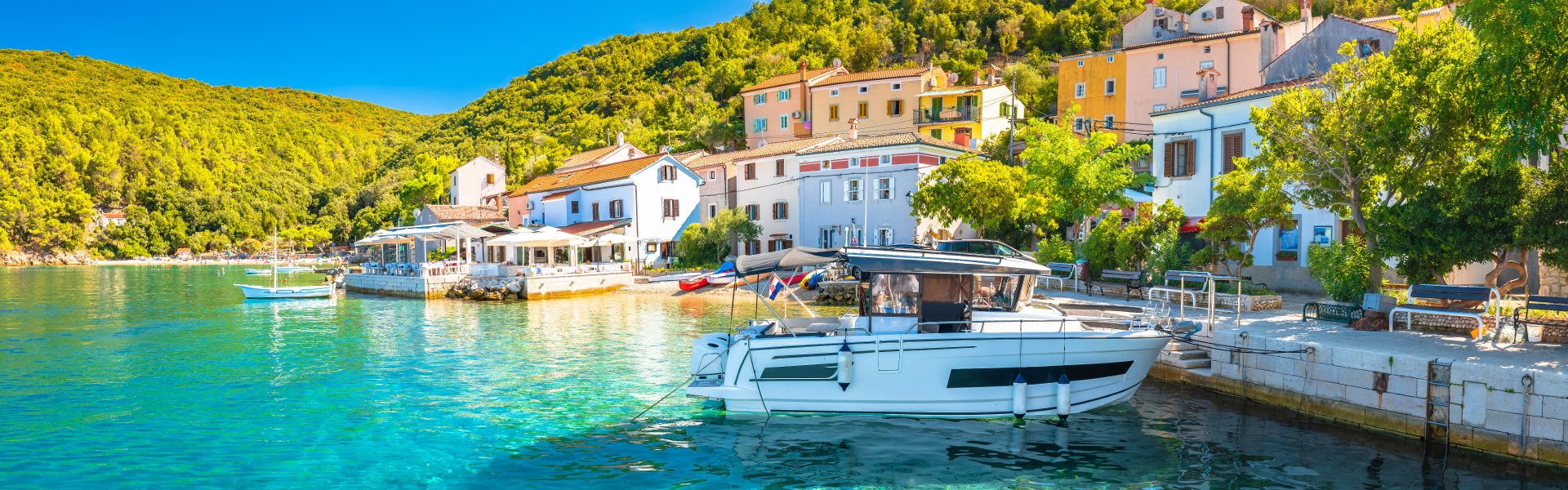
Guide to the Kvarner Islands
Croatia Specialist
There are more than 100 islands in the Kvarner Gulf, including renowned isles like Krk and Rab along with lesser-known gems such...
Read More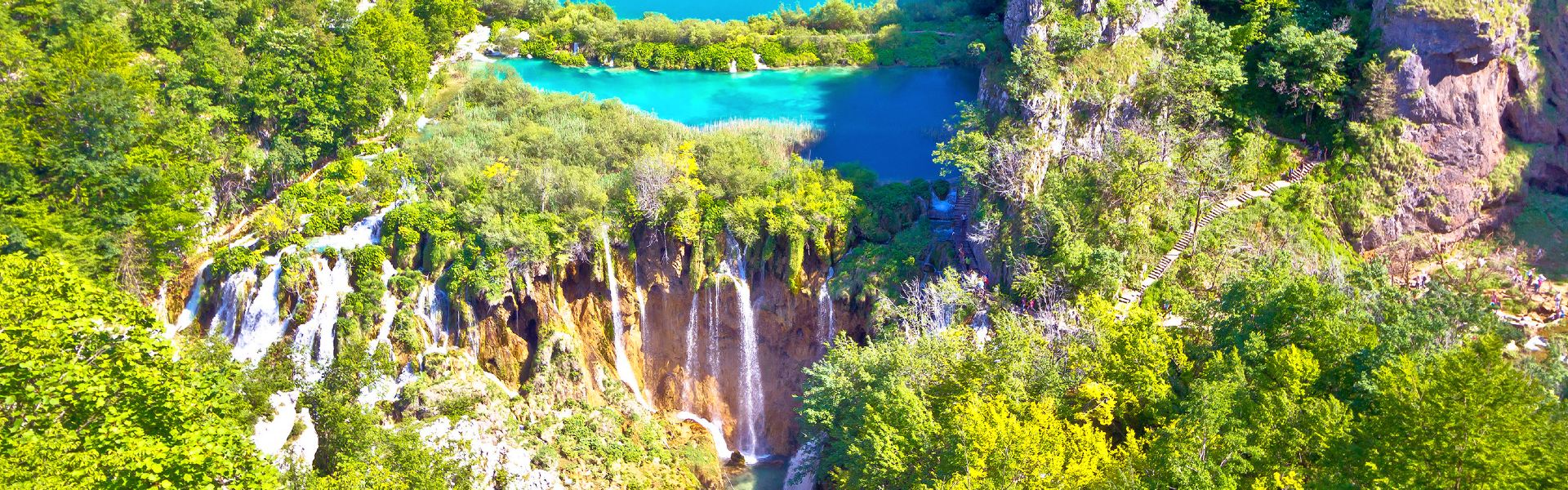
Croatia’s Best National Parks

Croatia Specialist
While many people visit Croatia to explore its ancient cities and soak up the sun on beautiful beaches, it has...
Read More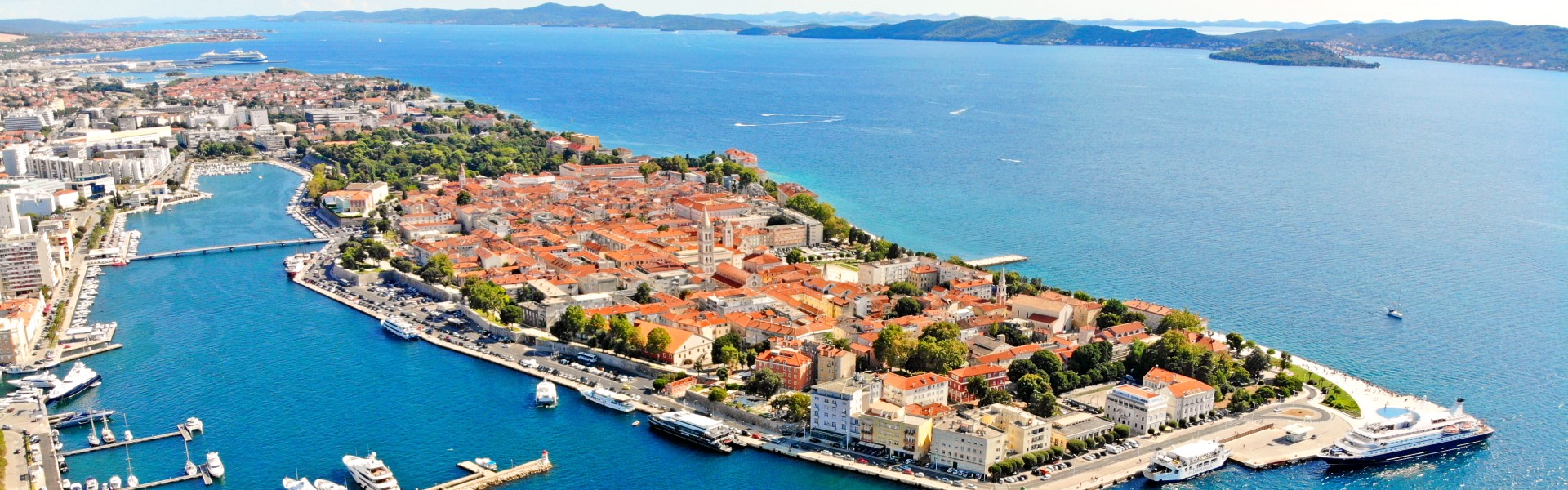
Discover Zadar: Croatia’s Oldest City

Croatia Specialist
April 03, 2025
With roots dating back over 3,000 years, Zadar is Croatia's oldest continuously inhabited city. The former capital of Dalmatia, the...
Read More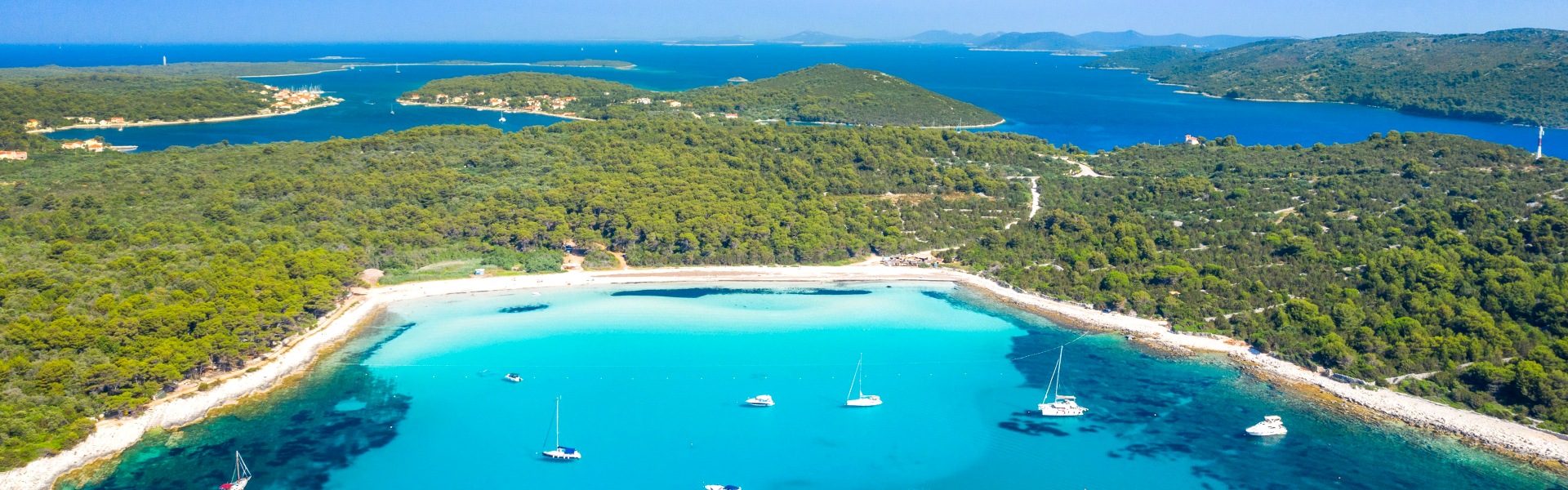
The 7 Most Beautiful Beaches in Croatia
Croatia Specialist
Croatia is a country renowned for its stunning shoreline, where gleaming white pebbles and sand meet the turquoise waters of...
Read More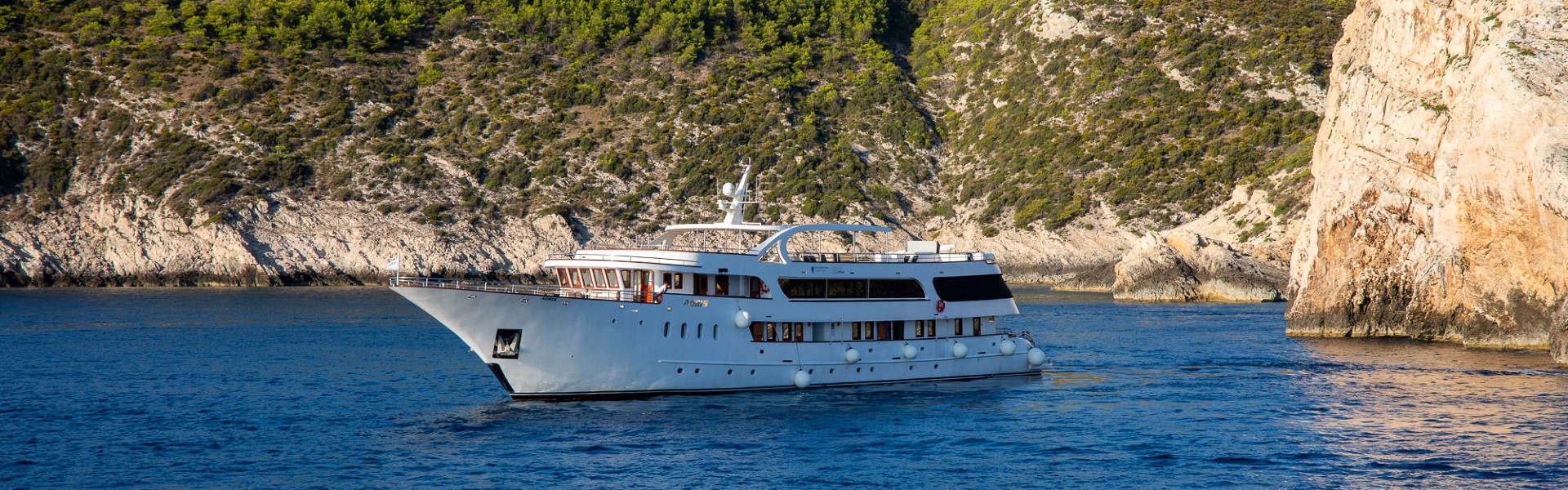
Should I Choose A Lower Deck Cabin?

Croatia Specialist
We are often asked by clients about the comparison between a Lower Deck and Upper Deck cabin on our deluxe...
Read More