





Visiting wineries gives you an insider’s view of rural life in Dalmatia and Istria. Wine making in Croatia is flourishing, with an increasing number of family-run wineries working with lesser-known indigenous grape varieties and offering tasting to visitors on a private tour.
Crvik, Konavle
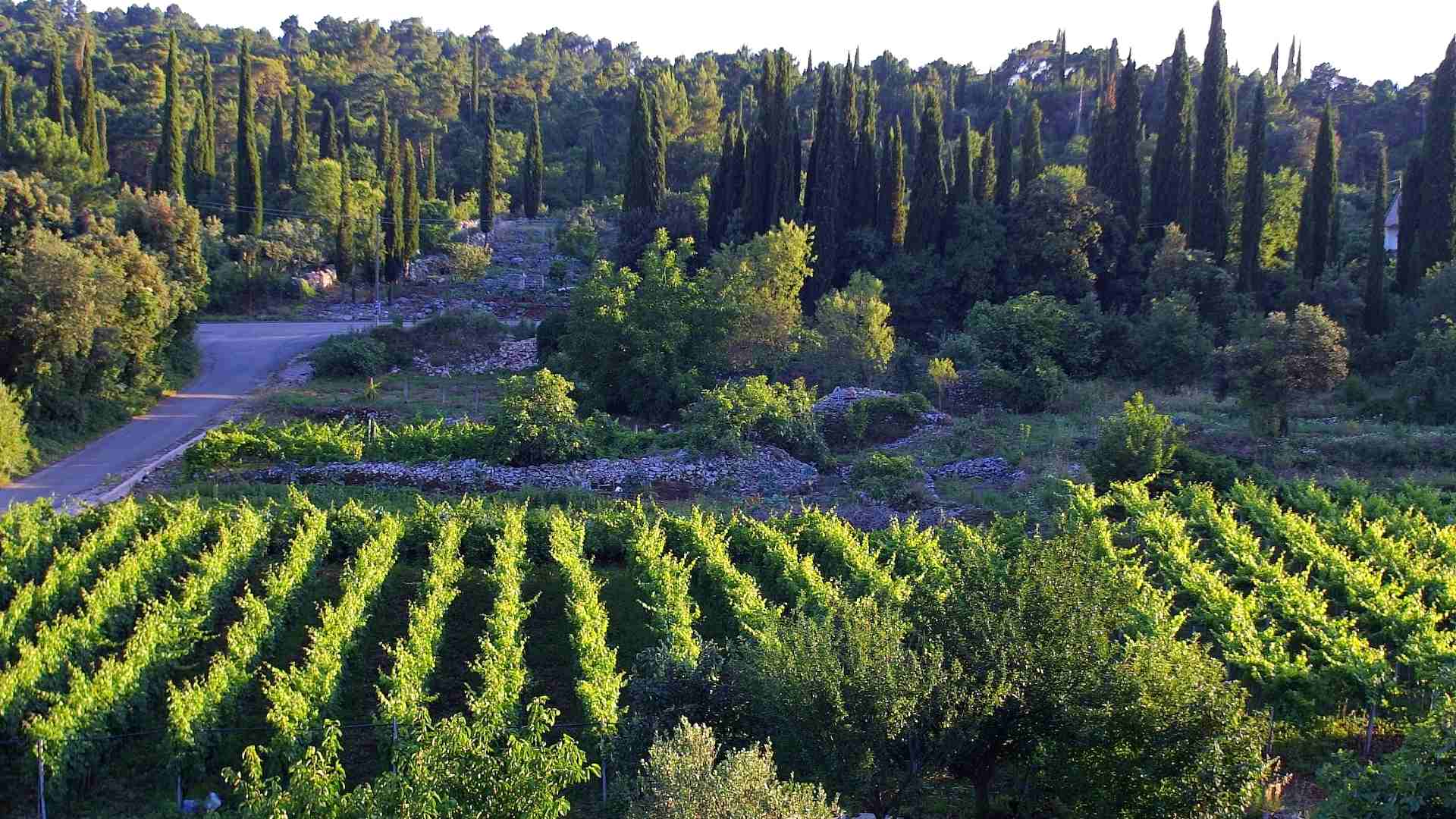
South of Dubrovnik lies the fertile Konavle Valley, which has supplied the city with fresh green produce, wine and olive oil for centuries. Here, the Crvik family have been making wine for three generations. In the tasting room, overlooking their vineyards, you can try their white Tesoro (meaning “treasure”), made from the native Malvasija dubrovačka grape. In Dubrovnik’s city archives, a document from 1383 records that local nobles were particularly partial to Malvasija dubrovačka, referring to it as “a wine to be appreciated, not devoured”. Also sample Crvik’s full-bodied red Pomet (meaning “intelligence”) made from the indigenous Dalmatian Plavac mali grape, aged in oak barrels.
Korta Katarina, Orebic
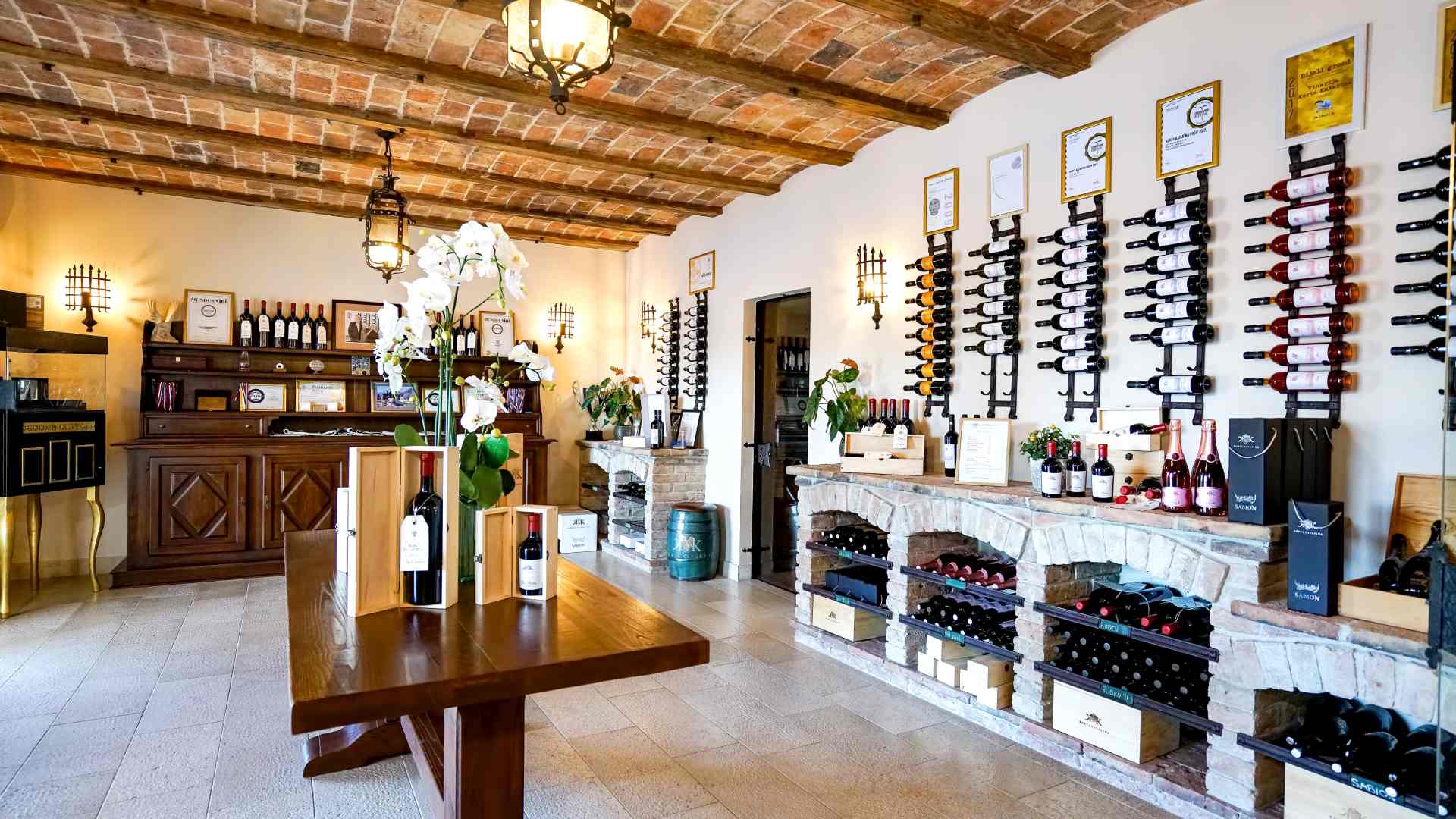
Pelješac peninsula is known throughout Croatia for producing rich red wines made from the versatile Plavac mali grape. The result depends on the location – vineyards in the flat interior make lighter reds, while those on the steep southwest-facing seaward slopes produce more robust reds. In Orebić, the Korta Katarina winery sits in a spectacular location above the sea, adjoining the 1930’s Villa Korta Katarina (now a hotel with eight sumptuous suites). It has a wine bar and shop, and offers tours and tasting, as well as an impressive five-course Royal Culinary Wine Pairing lunch. For a real treat, try their bold full-bodied red Reuben’s Private Reserve, made from Plavac mali, aged for three years in oak barrels.
Bire, Korcula
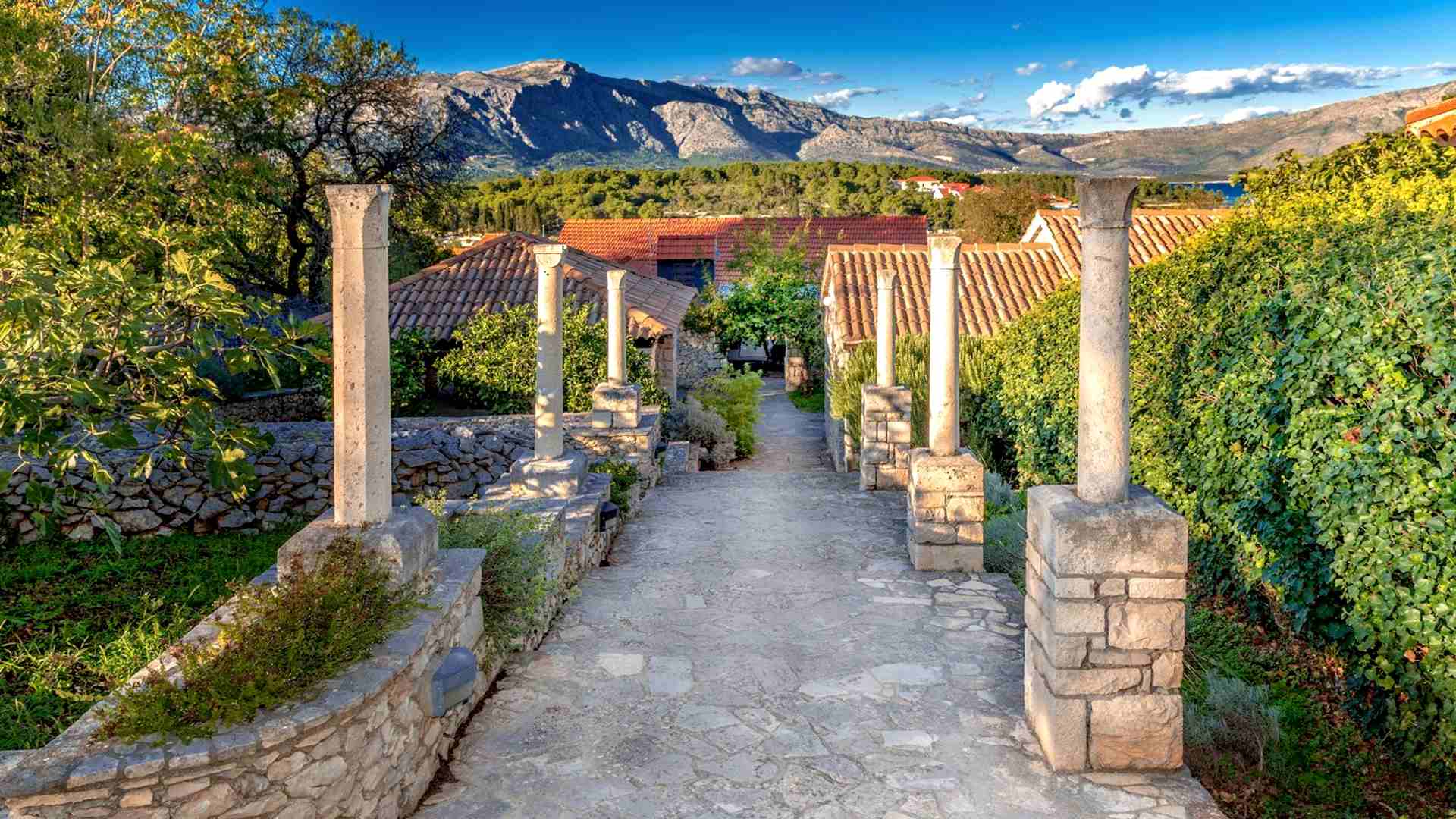
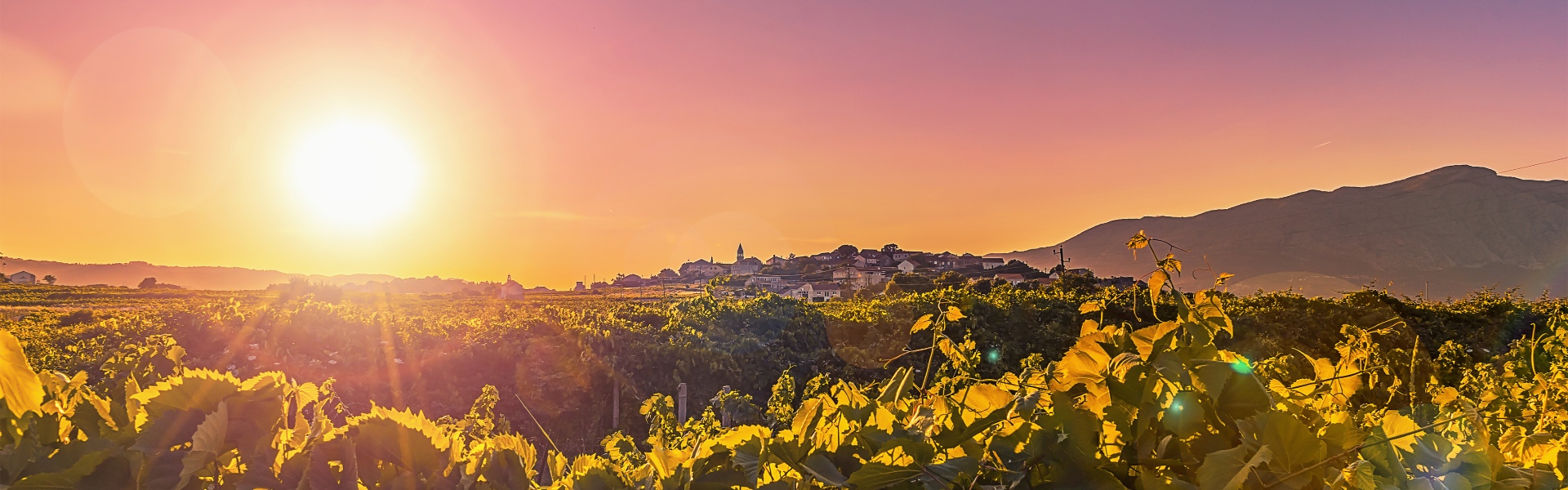
White wine lovers should not miss the island of Korčula. The area around Lumbarda was settled by the Ancient Greeks in the third-century BC, and still today, its sandy soils support vines named Grk (meaning Greek). Visit family-run Bire to taste their award-winning white Grk, accompanied by platters of cheese and cured meats. Refreshing, crisp and dry, it has a notable minerality and a hint of bitter lemon. It is only produced in small amounts, and most is bought by local restaurants, so you will not find it in shops. Strangely, the Grk vine has only female flowers, so it has to be interspersed with rows of Plavac mali for pollination to take place.
Merga Victa, Korcula
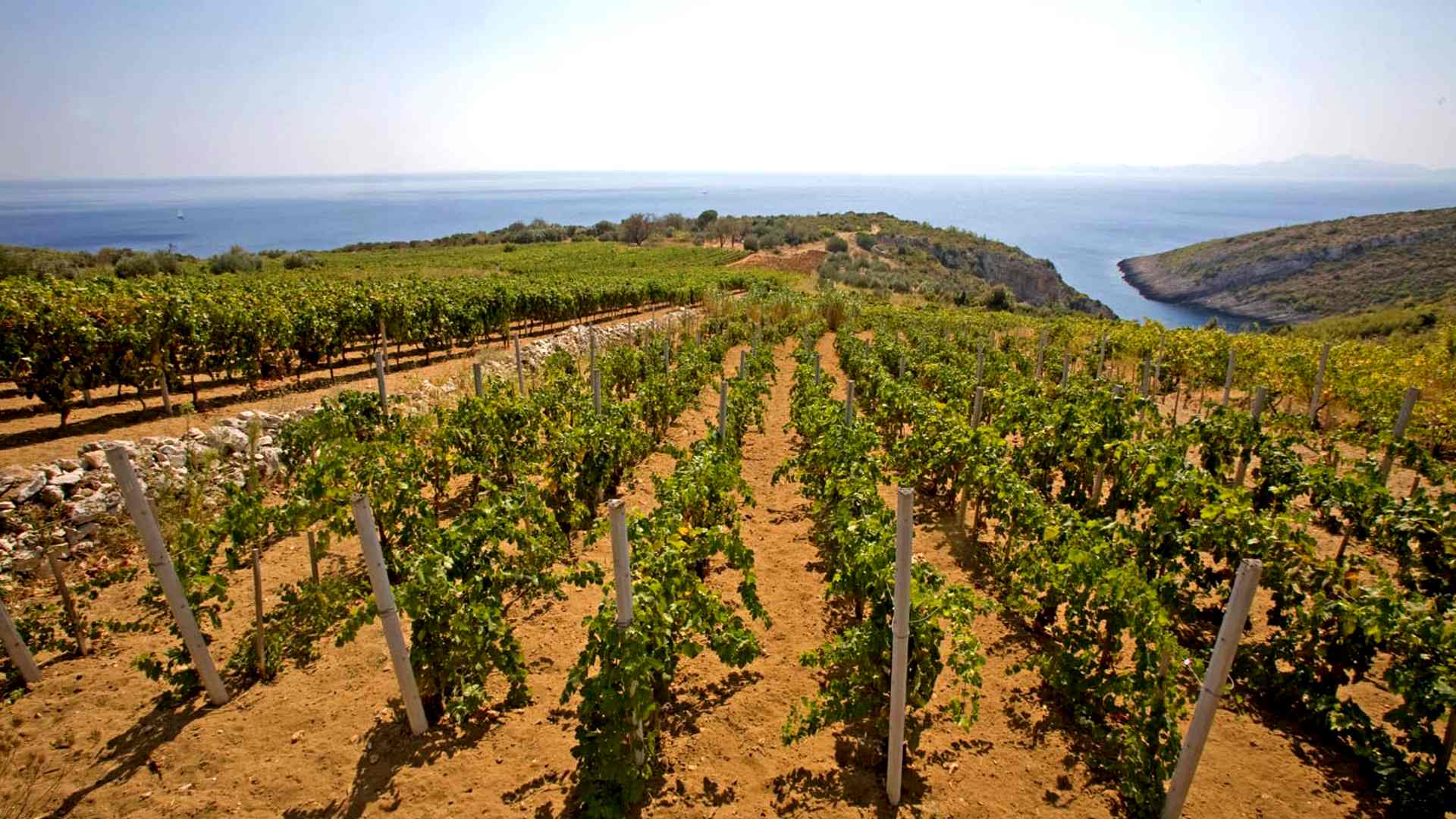
While 10% of Korčula’s white wine is Grk, the other 90% is Pošip. This indigenous vine was discovered in 1864, growing in a lush valley in the interior, between the villages of Smokvica and Čara. Here Merga Victa (aka Black Island Winery) occupies the former wine co-operative building, with a hip contemporary wine bar. You can come here to taste their fresh white Pošip, with nuances of citrus fruits and Mediterranean herbs, and they also offer guided walks through their vineyards, followed by tasting. The Pošip grape is versatile and can make everything from crisp sparkling wines to heavier oaked wines. It is now also grown on the islands of Hvar and Brač, and near Šibenik on the mainland.
Lacman, Hvar
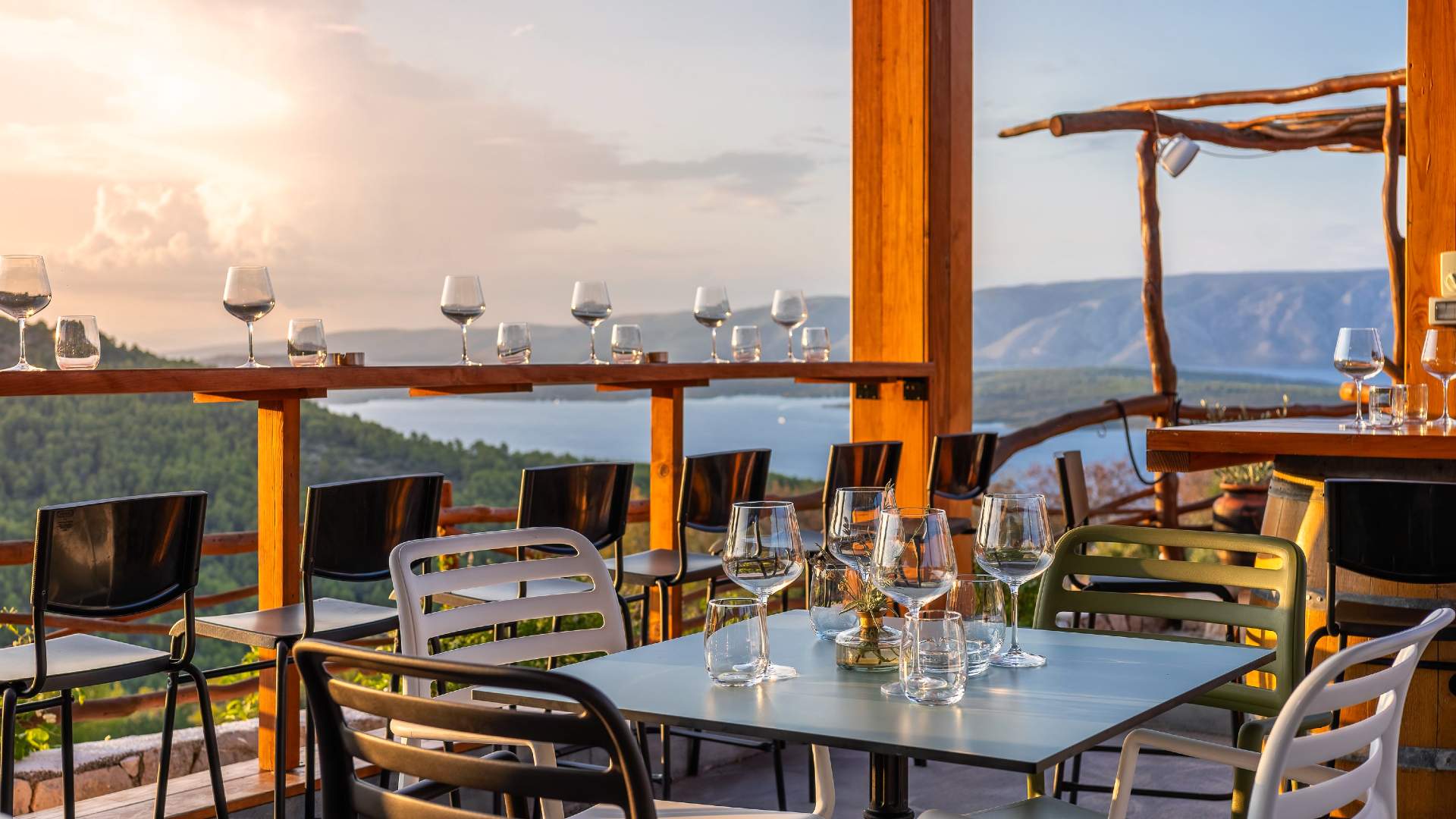
In the hillside hamlet of Selca, family-run Lacman combines ancients traditions and modern trends. They offer wine tasting, accompanied by platters of authentic Dalmatian cheeses and salami, on a covered wooden deck affording sweeping views down onto Stari Grad Bay. Try their refreshing white Friška , made from Hvar’s indigenous Bogdanuša grape. Follow this with Polpola, their first “orange” wine, made in terracotta amphorae buried in the ground. Aromatic, with hints of grapefruit and vanilla, it combines Bogdanuša (from Stari Grad plain) and Maraština (from Hvar’s south coast). Finally taste their powerful red Esenca, made from Plavac mali, also from Hvar’s south coast. If you’re lucky, you might catch one of their live after-dark blues concerts too.
Tomaz, Istria
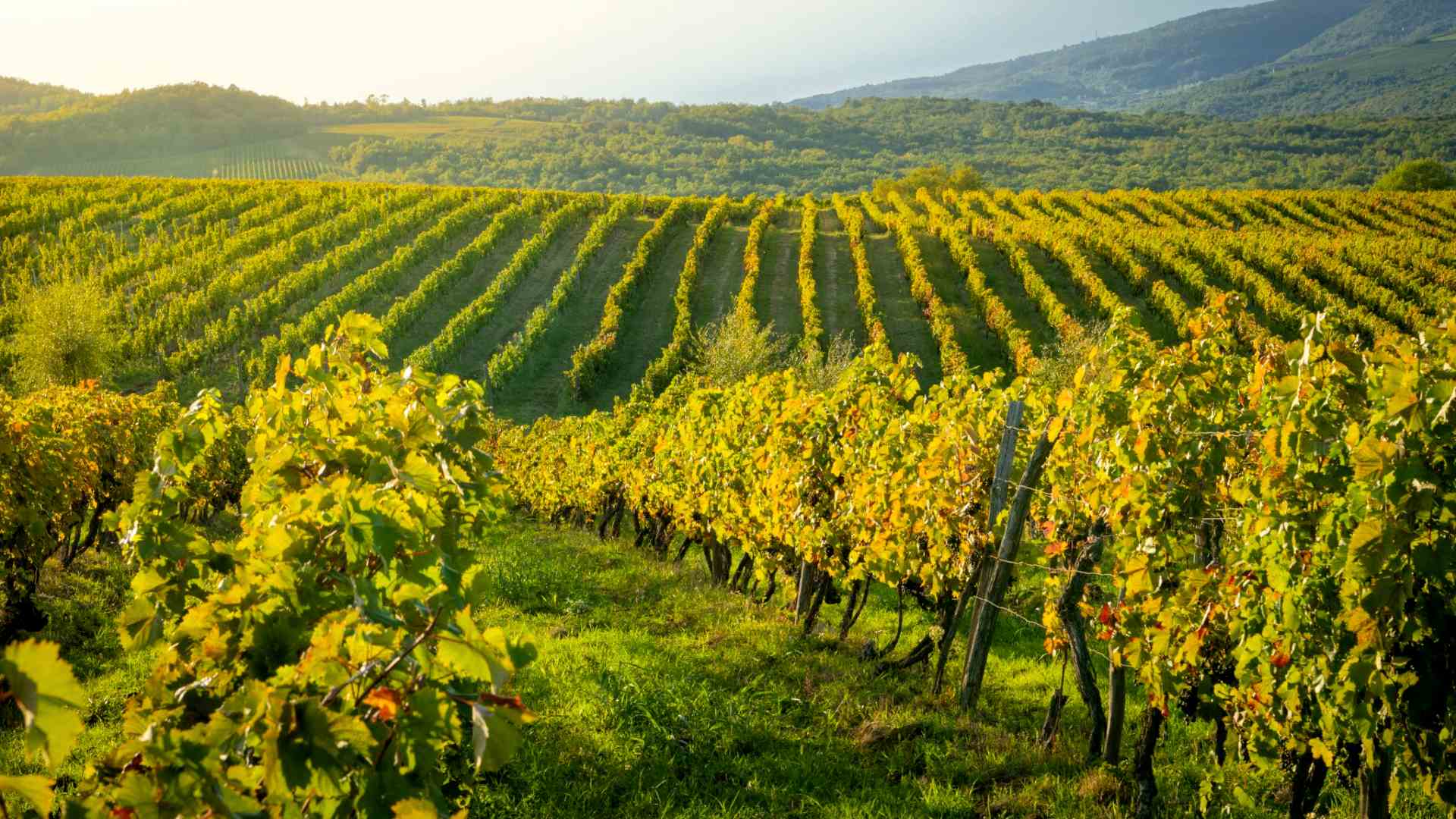
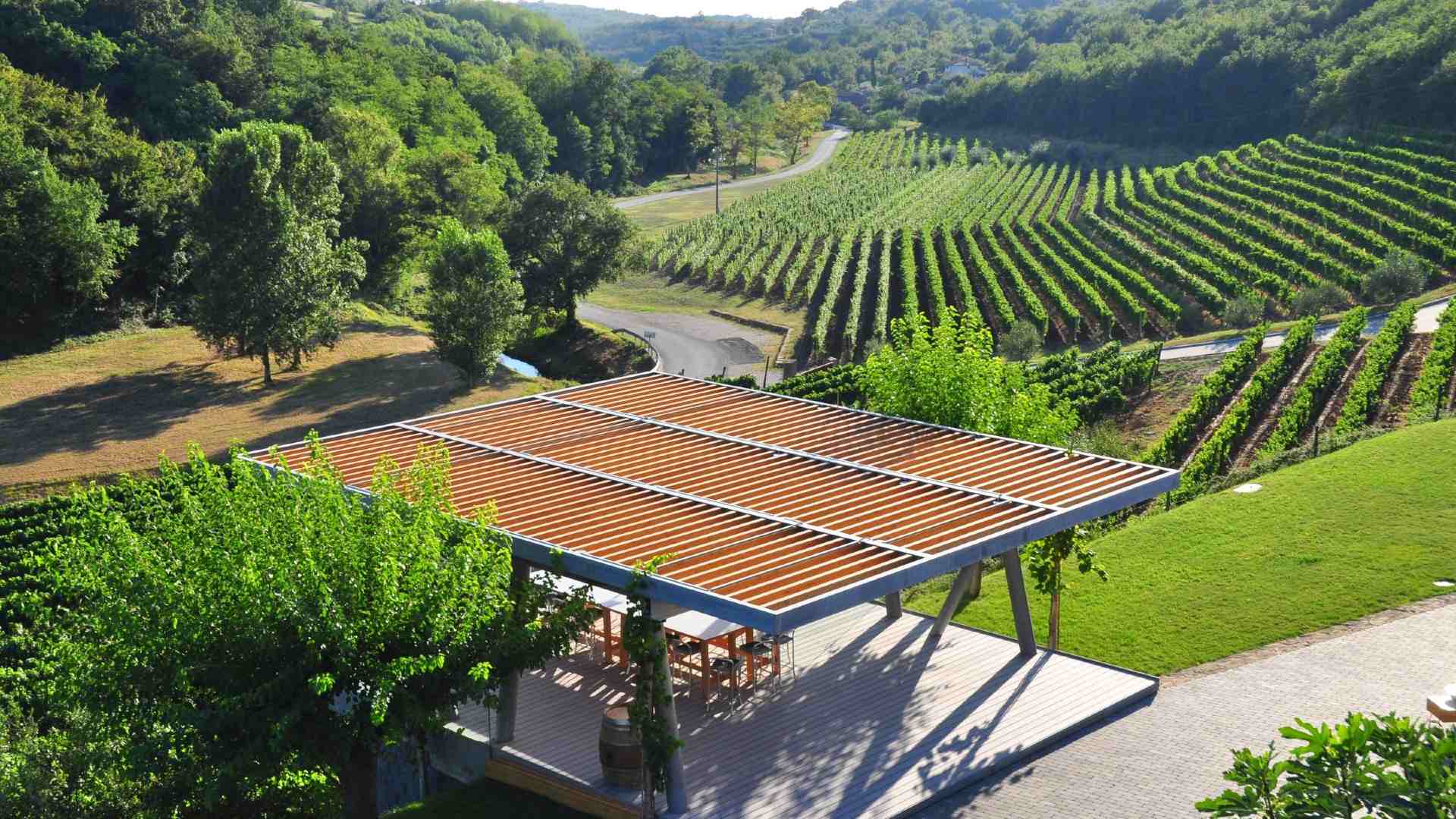
Up in north Croatia, Istria is known for its summery white Malvazija and full-bodied red Teran. Some of best Teran comes from the vineyards below the medieval-walled hill town of Motovun, inland Istria’s most popular destination. Here Tomaz occupies a contemporary winery, built from concrete, stone and oxidized metal, opened in 2023, with a tasting room overlooking the vineyards and the oak forests of the Mirna Valley. First, taste their light aromatic Malvazija Avangarde, which accounts for half of all their sales. Then move on to Teran – they make five sorts, the most outstanding being the powerful ruby-red Barbarossa Teran, aged for 18 months in oak barrels, and the even more elegant Teran Superior 2018, made from grapes dried on straw for 100 days.
Kozlovic, Istria
Further north, near the Slovenian border, the village of Momjan is famed for its aromatic semi-sweet golden wine, Muškat momjanski. It was awarded the EU protected designation of origin (PDO) label in 2023, and to qualify must be made within a 5km radius of the village. Hidden in a cool damp valley below Momjan, with a stream and natural springs, lies the Kozlović winery. Next to the family house (from 1904), they host tasting on a lovely terrace with views of the ruined Momjan Castle. They make several sorts of Malvazija , for which they have won international awards. Also be sure to try their fragrant Muškat momjanski, which is spicy and fruity, and pairs perfectly with cheese and deserts made from yellow fruit.
Meneghetti, Istria
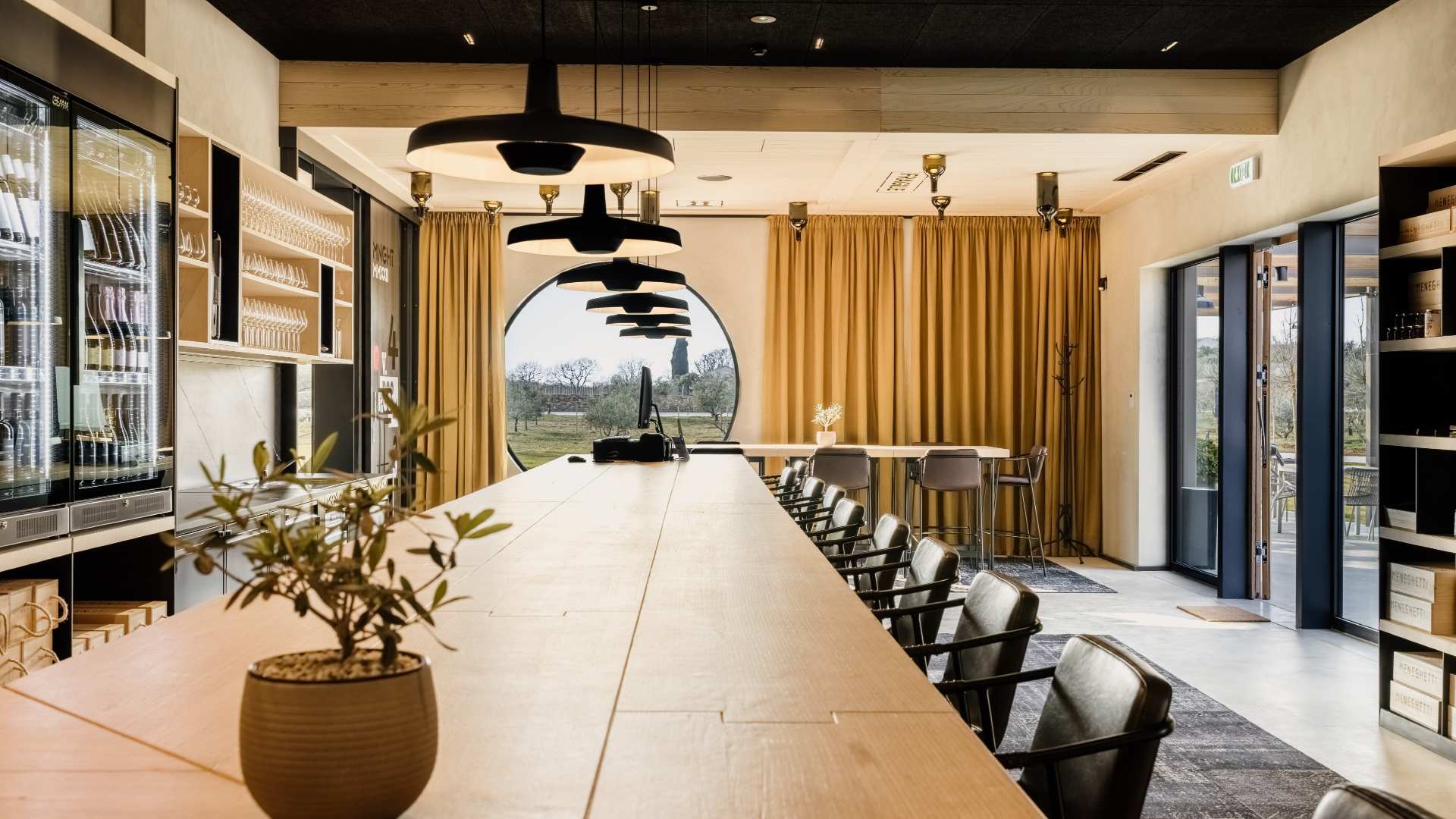
Near Bale, Meneghetti is a chic wine resort, with rooms, residences and villas, set amid vineyards and olives groves. In a slick contemporary tasting room, you can sample five different sparkling wines (Meneghetti was among the first wineries in Croatia to start producing bubbly) and four types of Malvazija. Their “pairing suggestions” tasting comprises six wines accompanied by six creative bites, and for those who want to learn more, they do a “winery tour” (including the vineyards, production room and cellars) followed by tasting. They also work with international varieties – they make a wine called “Meneghetti White”, combining Chardonnay and Pinot, and another called “Meneghetti Red”, combining Merlot, Cabernet Sauvignon and Cabernet Franc.
More Inspiration
Exploring Lumbarda: Korcula’s Charming Wine Village

Croatia Specialist
You really can't miss a visit to Korčula Island on your Croatia vacation, a favorite among travelers. It boasts beautiful...
Read More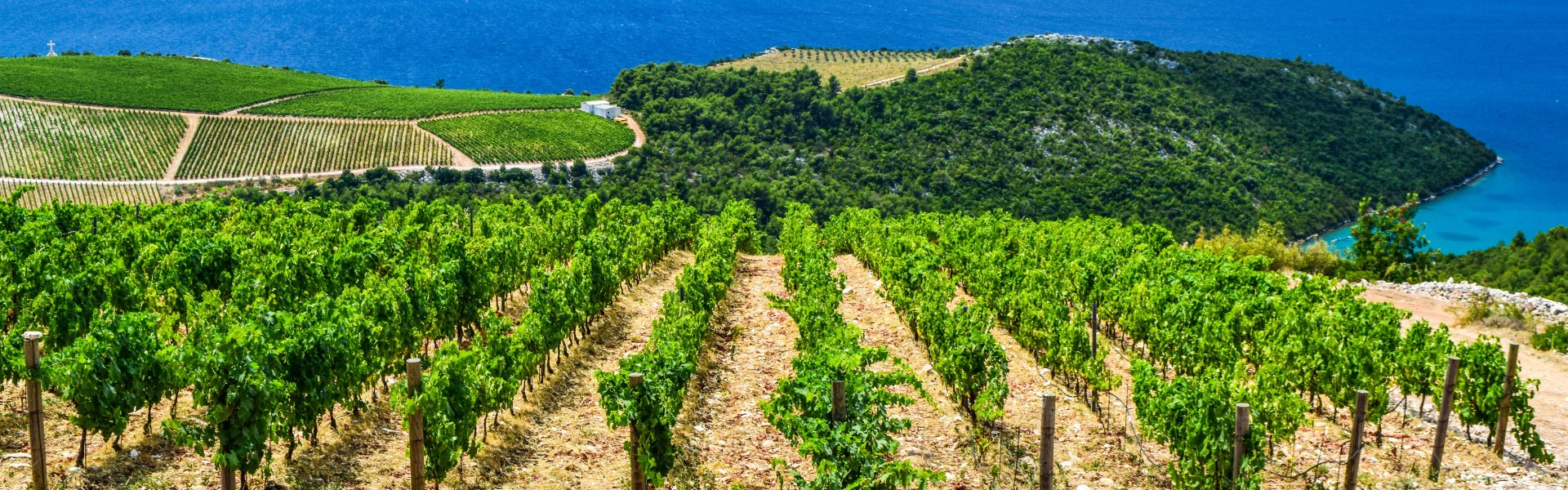
The 9 Best Croatian Wines

Croatia Specialist
Croatia not only offers magnificent centuries-old cities, postcard-perfect beaches, and island gems, but it’s an ideal destination for wine enthusiasts....
Read More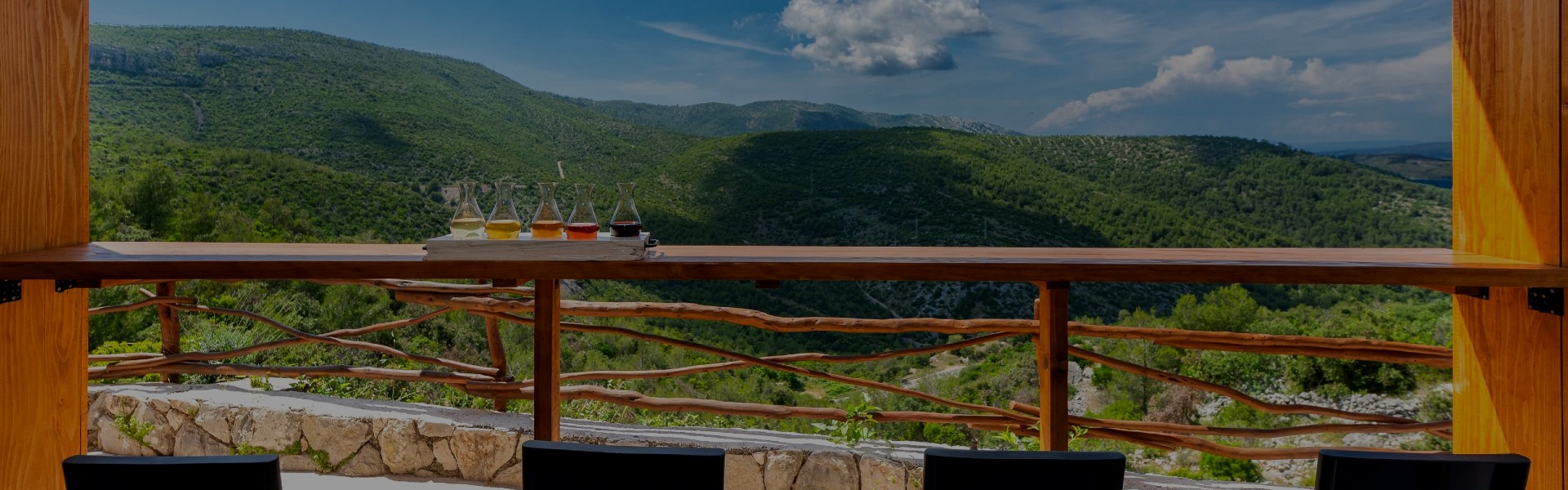
Top 8 Wineries Open for Tasting in Dalmatian & Istria
Travel Journalist
Visiting wineries gives you an insider's view of rural life in Dalmatia and Istria. Wine making in Croatia is flourishing,...
Read More
A Foodie Experience in Croatia
Croatia Specialist
Europe is often praised for its exquisite food and wine scene. Spain and Portugal boast delicious wineries and global wine...
Read More
The Sweetness of Doing Nothing: How to Embrace Fjaka
Croatia Specialist
In a world that is so heavily focused on productivity and movement, the Croatian concept of fjaka is a refreshing...
Read More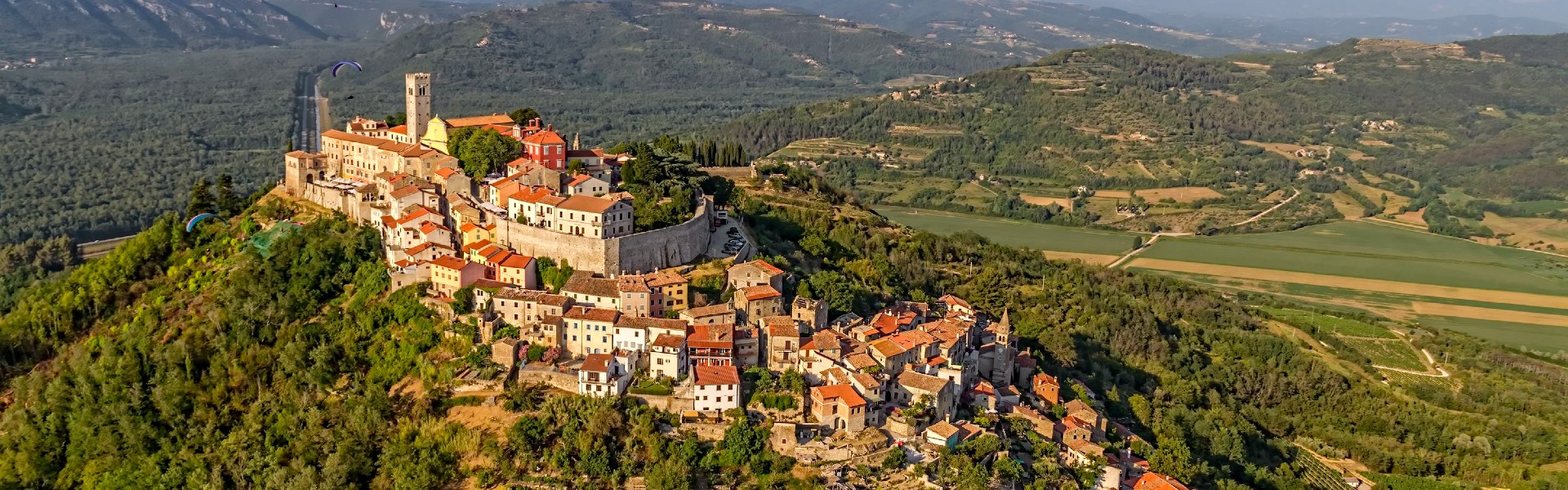
Istria: A Guide for First-Time Visitors

Croatia Specialist
Many visitors to Istria remark that it just feels...different from the rest of Croatia. Set in the north of Croatia,...
Read More