



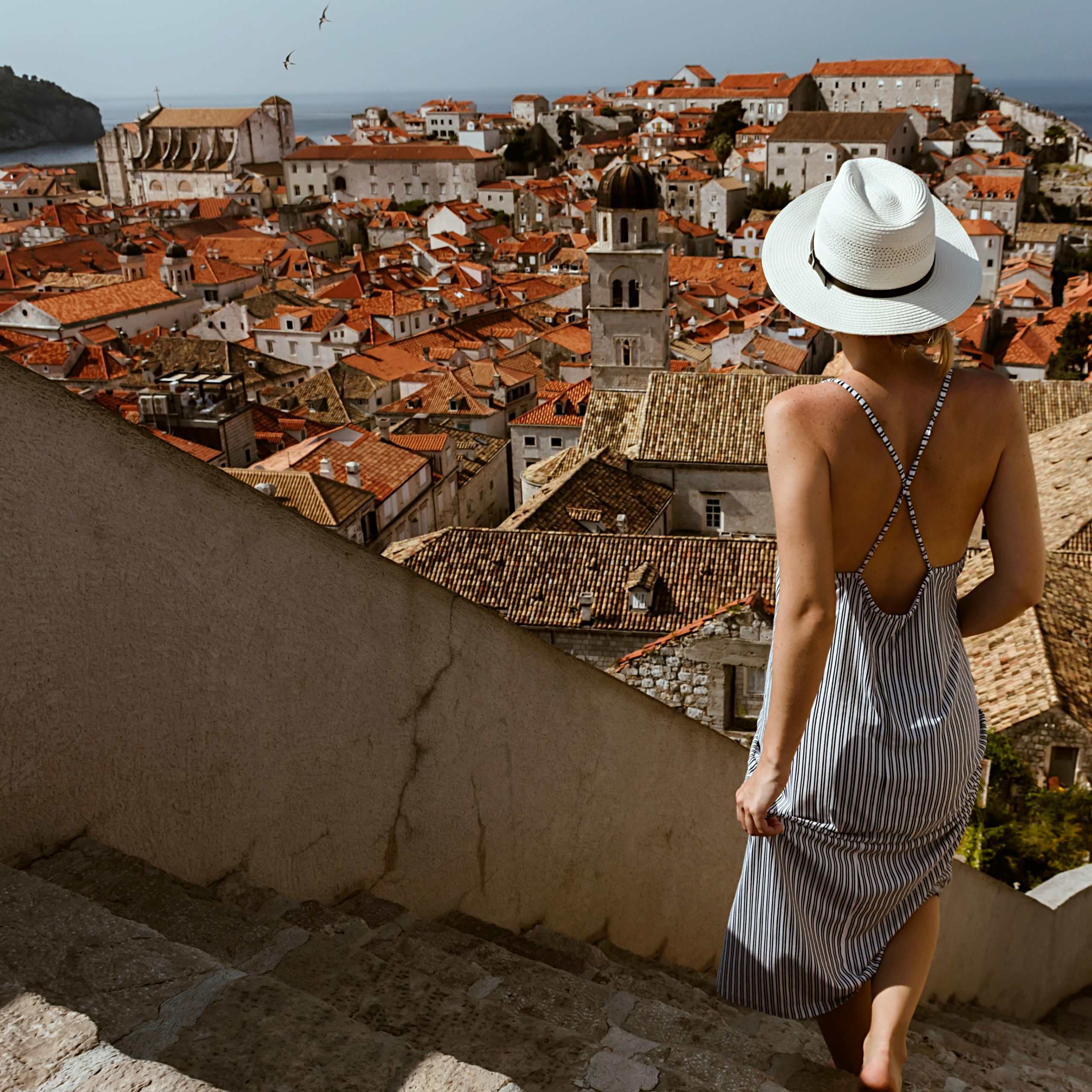
With Montenegro right next door, on your Croatia vacation you should really take advantage of the close proximity to explore its natural beauty. While it may be one of the smallest countries in Europe, its landscape is comprised of dramatic mountains which include over five dozen peaks rising to more than 5,900 feet, sapphire lakes, a coastline with picturesque beaches, and Venetian-era walled towns. Visitors can explore historical sites and enjoy a wealth of outdoor adventures while surrounded by breathtaking scenery. Whether you’re looking for big thrills, easy hikes with huge rewards, or a relaxed sightseeing trip, you’ll find plenty, with the below some of the best things to do in Montenegro.
Explore the Old Town of Kotor
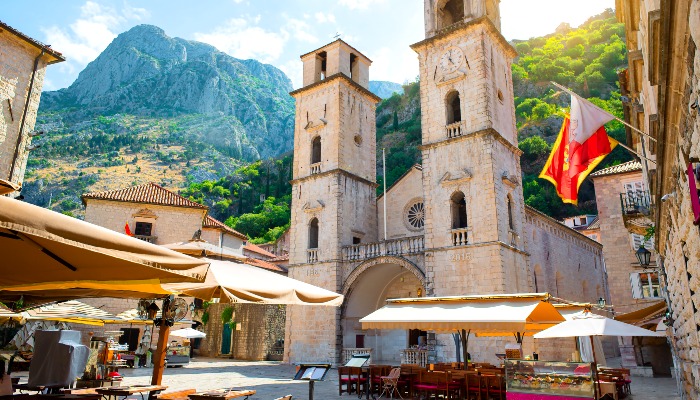
Nestled in a secluded area along the Bay of Kotor, one of the world’s most beautiful bays, the Old Town of Kotor is a UNESCO World Heritage Site encircled by medieval walls and backed by dramatic mountains. Soak up the enchanting beauty and explore the many historical sites, starting with the 16th-century city gate that faces the sea. It’s the main entrance to the Old Town and includes Baroque and Renaissance elements. Inside you’ll discover the Cathedral of Trifona, the oldest cathedral in Europe and Kotor’s star attraction, built in 1166 AD. There are lovely squares and markets, and other significant cultural monuments like a 13th-century watch tower, historic churches, and palaces, including Grgurin which now serves as a maritime museum.
Relax Along the Budva Riviera
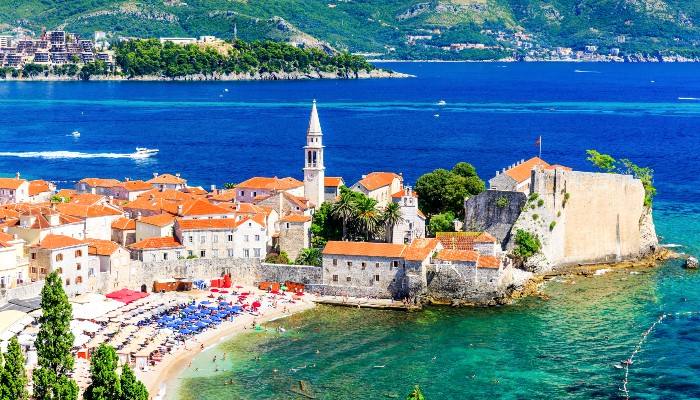
The Budva Riviera is a long strip of coastline along the Adriatic that serves as the main tourist area surrounding the town of Budva. Relaxing here is one of the best things to do in Montenegro during the warmer months with beaches for sunbathing, swimming, snorkeling, or diving. There are more remote beaches at the south end which are mostly tranquil while beaches in the north such as Jaz and Mogren are quite lively, with big crowds during the peak of summer, July and August. Whatever your choice, after soaking up the sun you might indulge in some fresh fish, oysters, or prawns at the pop-up seafood market along the waterfront. There’s plenty of buzzing nightlife for fun after dark too.
Discover Lipa Cove
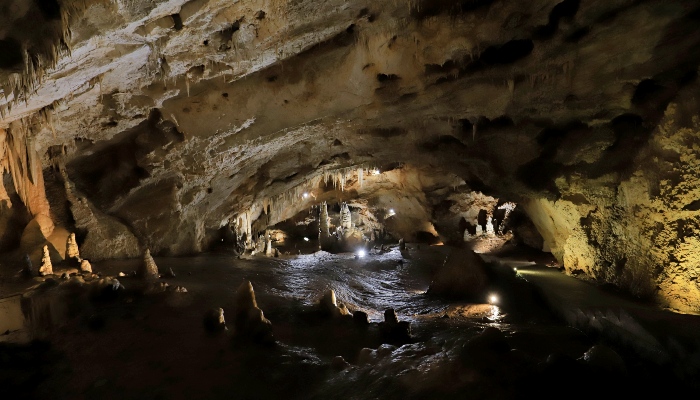
Lipa Cave is a carst cave near the town of Cetinje, at least five million years old and with a system of roughly 1.5 miles of halls and passageways. It is one of the largest in Montenegro and the only one open for tours. There are underground rivers, lakes, and waterfalls, while the illuminated halls and passages are filled with bizarre natural pillars, stalactites and stalagmites. You can marvel at it all on a 60-minute tour that includes a road-train ride and a short walk, descending about 66 feet underground via a spiral staircase. For those who want a more extreme experience that delves deeper inside, the 2.5-hour Cave Extreme Tour includes some abseiling.
Take a Boat to the Blue Grotto
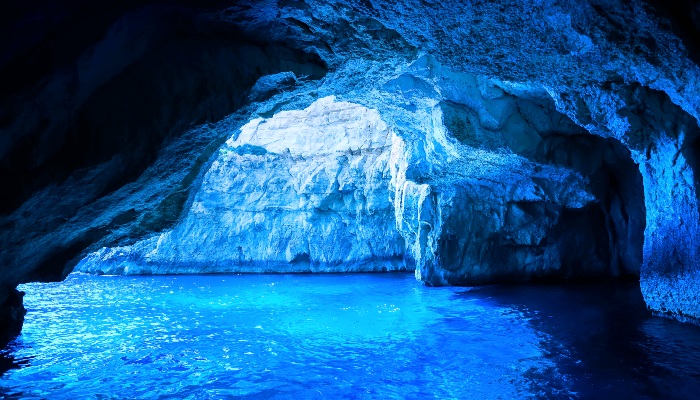
The Blue Grotto is a huge and magnificent sea cave, considered the most picturesque of the series of caves that’s tucked along the Bay of Kotor. Similar to the Blue Cave in Croatia, the interior is illuminated in a stunning blue glow with the sun reflecting through the clear blue waters. It can’t be reached by land but the phenomenon can be experienced by joining a boat tour, available from popular tourist spots like Kotor, Tivat, and Budva. You’ll head inside via a small vessel that can get through the entrance with time to capture photos. Typically, you’ll have the opportunity to leap off the vessel for a swim or snorkel in the iridescent blue water too.
Walk the Trails Around Lake Skadar
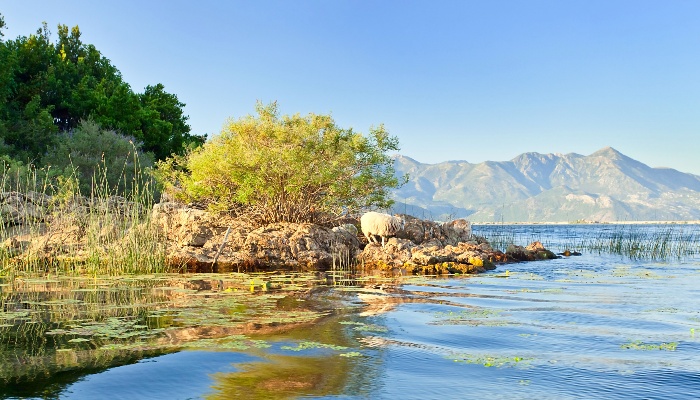
Lake Skadar is the largest lake on the Balkan Peninsula. Two-thirds of it is located in Montenegro while the rest is in Albania. Secluded villages, steep mountains, and abundant wildlife can be found here, including wolves, mongoose, and foxes. The area is also one of the most important reserves for wetland birds in Europe, which includes the endangered Dalmatian penguin and more than 250 other species. Keep an eye out for the animals, soak up the scenery, and perhaps pick wild blackberries and strawberries (depending on the season) while walking the trails around the lake and throughout the surrounding area. The trails are well-marked and information is available at area visitor centers, or you might join a guided hiking tour.
Explore Perast
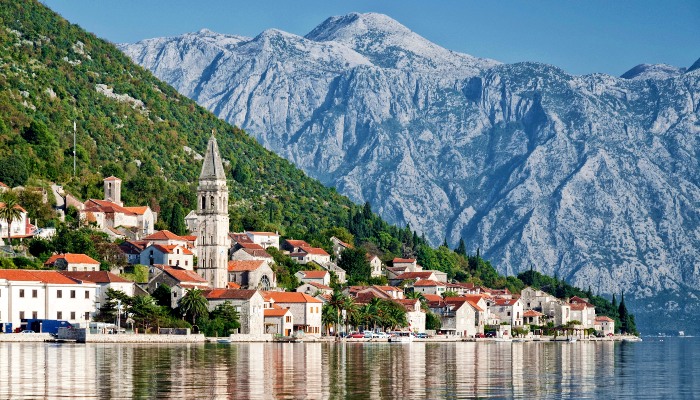
The small town Perast is one of the prettiest in Kotor Bay. It was once a bustling town home to many sailors but today, the population is only around 400, with mostly abandoned palaces that provide testament to its former opulence. There are 16 beautifully preserved palaces like the Baroque-style Bujovic palace that sits at its entrance and as many historic churches as there are residents. The main thing to do is take the short boat trip to Our Lady of the Rocks. This man-made islet in the bay, created by bulwark of rocks and by sinking seized and old ships loaded with rocks, is home to a lovely church and a museum.
Go Rafting in the Tara River Canyon
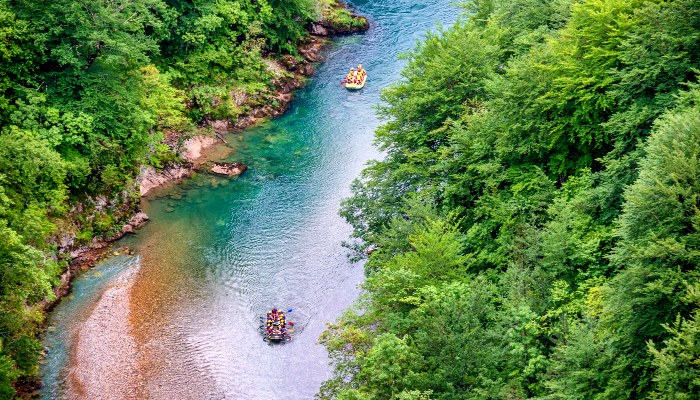
When wondering what to do in Montenegro for water thrills, the Tara River Canyon in Durmitor National Park is a popular spot, with dramatic mountains that include four dozen peaks towering over 6,500 feet. It’s the deepest canyon in Europe at 4,265 feet, with the wild Tara River flowing through. The most thrilling way to marvel at the incredible scenery is to embark on a rafting trip in the canyon. The excursions typically combine some tranquil drifting and hectic paddling, covering around 11 miles over several hours. As the river is like a whitewater staircase with calm pools below the rapids, there’s time to rest and capture photos along the way. You might even enjoy a refreshing swim as well.
Marvel at Ostrog Monastery
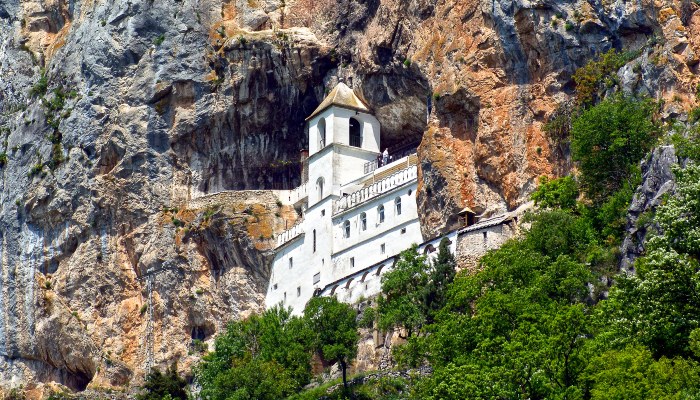
Ostrog Monastery is Montenegro’s most important Orthodox site and its most dramatic. Carved into the face of a cliff above the Zeta valley in the 17th century, on your way to visit you can stop at the Lower Monastery below the main shrine to see vibrant frescoes in the 1824 Holy Trinity Church. Just behind it is a natural spring – bring a water bottle and you can fill it up with pure, fresh cold water. From here you’ll continue up the steep road to the Upper Monastery built within two large caves in 1665. If you want to enter the atmospheric shrine, you’ll need to have your shoulders and legs covered. Most females cover their heads with a scarf as well.
Explore Ulcinj
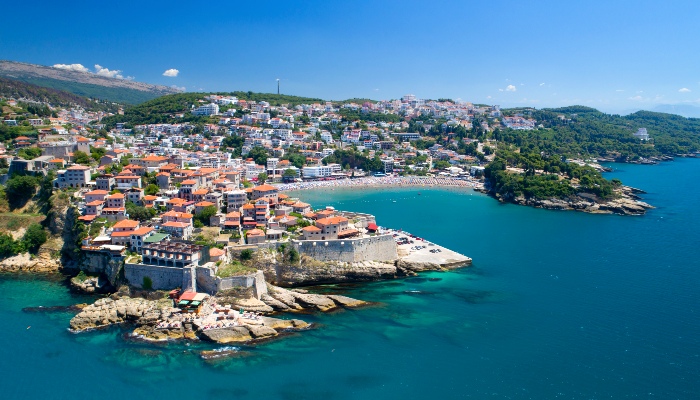
The most southern coastal town in Montenegro, Ulcinj has a significant Albanian feel providing the chance to get a taste of the country without actually crossing the border. Over half the population is Albania while the many mosques and their elegant minarets will make you think you’ve stepped into the exotic East. There are multiple kebab stands around Small Beach, a popular spot in the summer, jam-packed with sunbathers and others relaxing beneath umbrellas. By walking southeast toward the rocky bays with their clear blue water, you’ll usually find more room to stretch out. Beyond the beaches, don’t miss Ulcinj Salina, a saltwater lagoon inhabited by more than 250 bird species, including herons and flamingos.
Hike the Dramatic Prokletije National Park
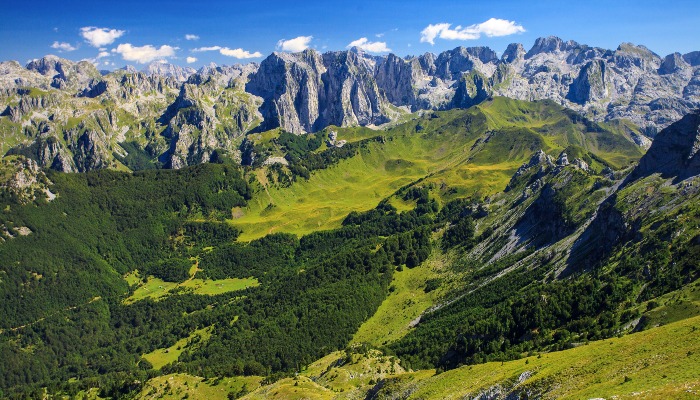
Prokletije National Park offers spectacular mountain peaks, lakes, and rivers that make it an outdoor enthusiast’s dream. It’s especially popular among hikers who can explore miles and miles of trails, including routes that lead to summits with panoramic views. The vast size and geographic isolation of the park results in nearly overwhelming opportunities for exploring awe-inspiring natural scenery. One of the best things to do in Montenegro for avid adventurers is the Peaks of the Balkans, or POB hike. It starts in Plav at the base of the park and spans three countries, Albania, Kosovo, and Montenegro. It takes 10 to 13 days to complete but it’s rated easy to moderate. There are also opportunities for day hikes throughout the park.
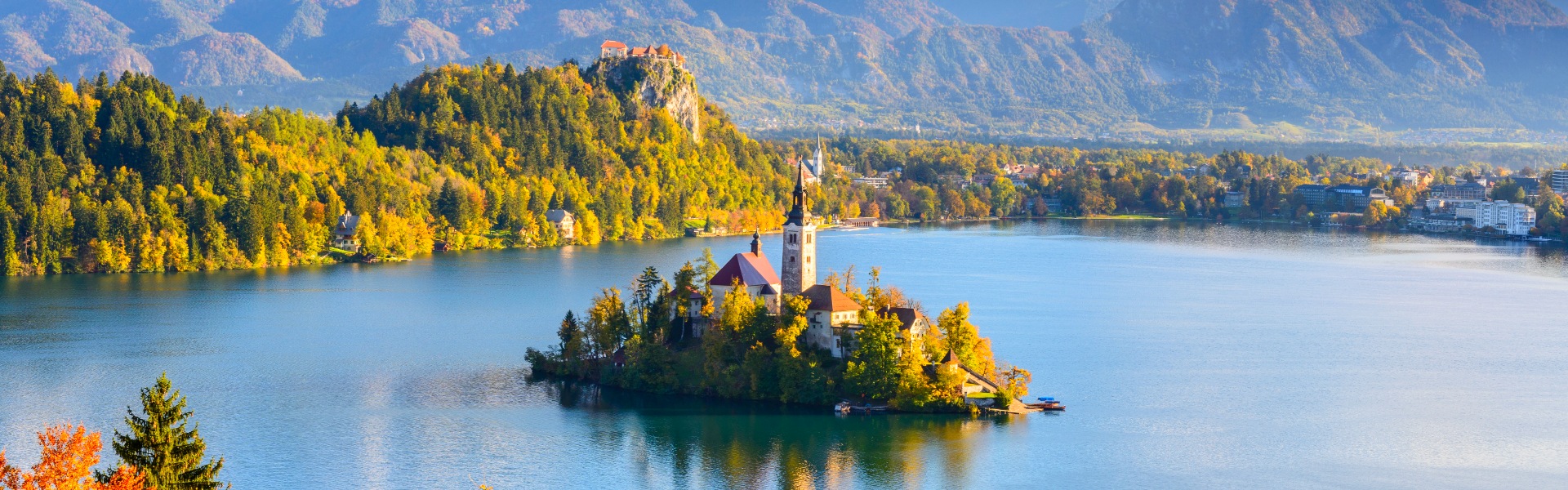
Best Things to Do in Slovenia
Croatia Specialist
With everything from towering snow-capped mountains, dense forests, sparkling lakes, and turquoise rivers to beautiful beaches and fairytale-like towns, Slovenia may be...
Read More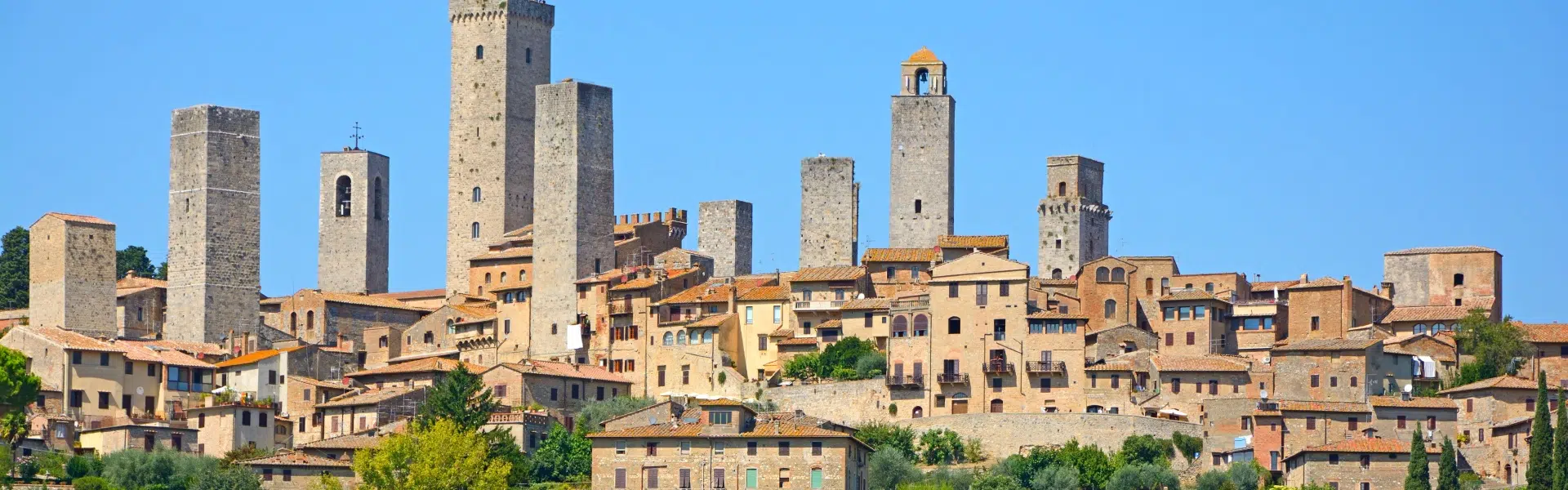
Destinations to Combine with Croatia

Croatia Specialist
Croatia boasts a spectacular location along the Adriatic Sea, brimming with historic cities like Split and Dubrovnik, charming fishing villages,...
Read More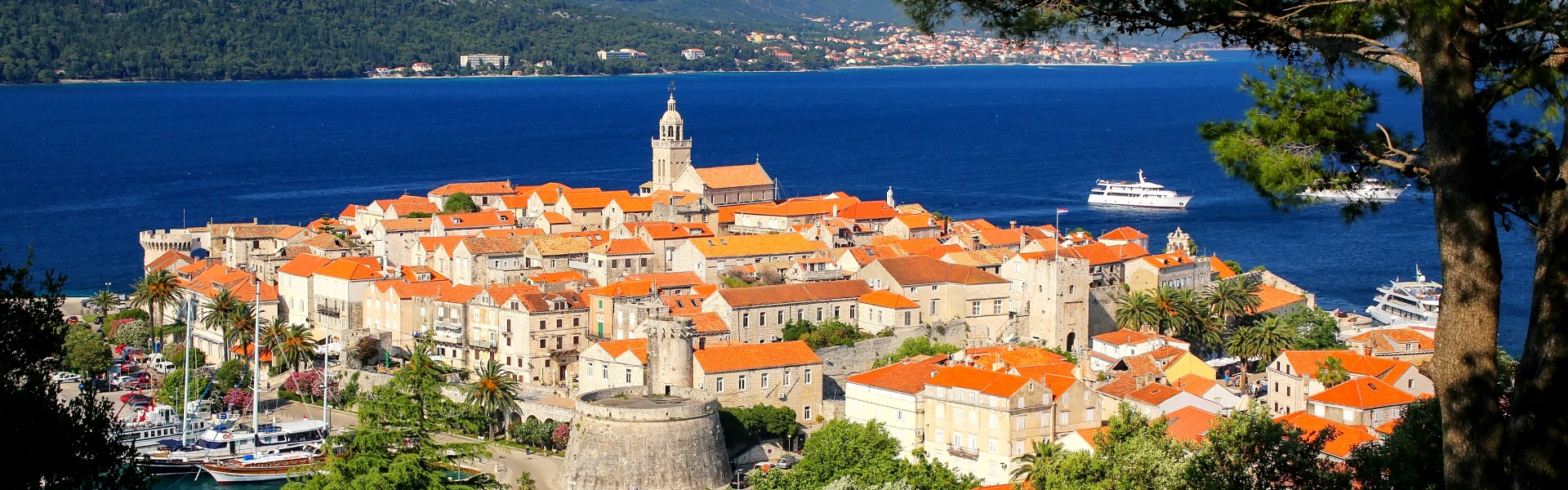
Guide to The Dalmatian Coast
Croatia Specialist
The Dalmatian Coast is a beautiful stretch of coastline in Croatia's southernmost region, and is the country's most well-known and...
Read More
One Week in Croatia – What to Do & Where to Go
Croatia Specialist
We believe Croatia to be a complete destination, offering fine food and drink, fascinating culture, intriguing history and historic sites,...
Read More
Best Hidden Gems in Croatia
Croatia Specialist
Croatia has become one of the hottest travel destinations in the world with its endless miles of beautiful coastline, hundreds...
Read More
Croatia Wildlife Guide

Croatia Specialist
Croatia, known for its stunning Adriatic coastline and historical treasures, is also home to a remarkable variety of wildlife that...
Read More